
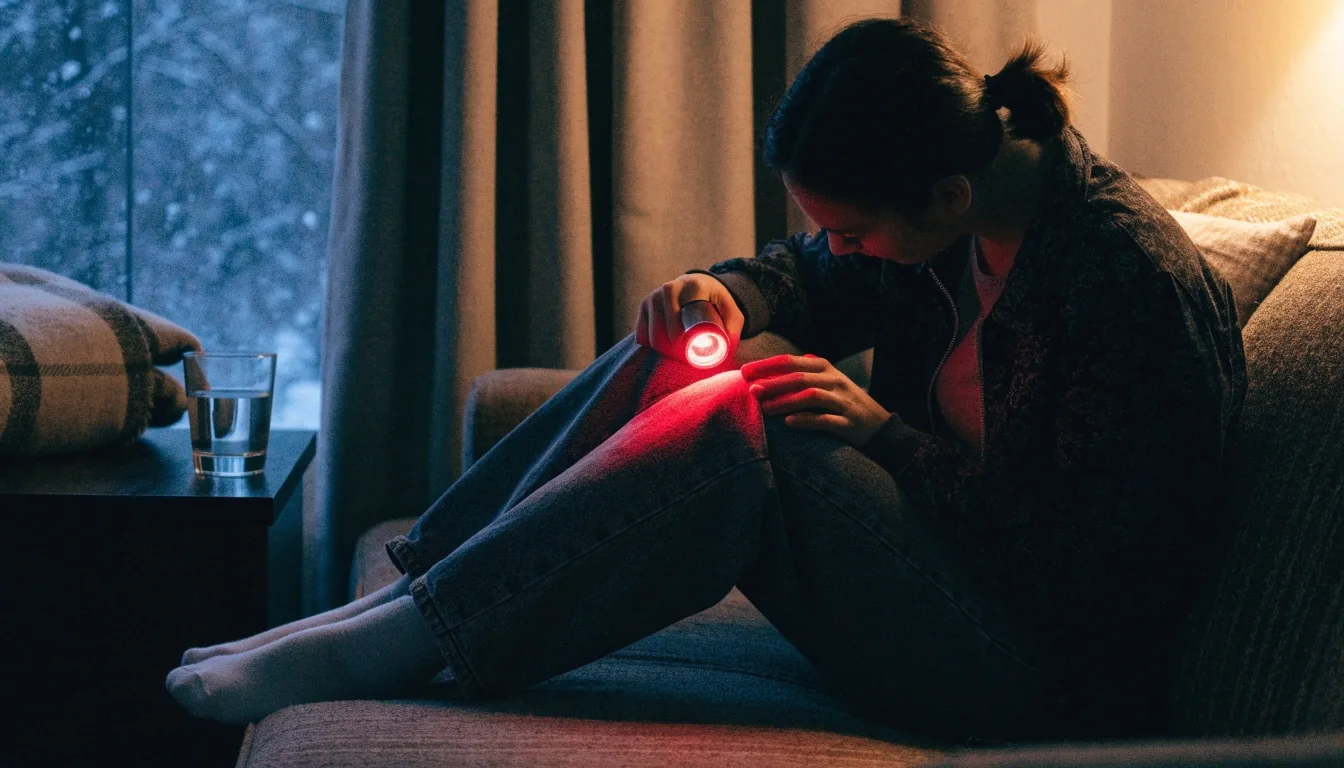
Compare joint therapy devices before you buy
Handheld lights, pain relief flashlights and LED panels, lined up by form factor, wavelength and regulatory status instead of marketing language.
What counts as a joint therapy device here
The category covers more ground than the name suggests. A compact handheld unit such as the CURAPOD, described in a 2026 clinical study as a noninvasive device for musculoskeletal pain, sits in the same shopping basket as a full Joovv Solo 3.0 panel. Both use visible red or infrared light. One fits in a jacket pocket; the other needs a wall outlet and floor space.
We group devices by form factor first, because that single choice decides where and how often you will actually use the thing. Power ratings, brand promises and delivery times come later — the shape in your hand sets the routine.
Three formats, three different jobs
Handheld lights, wand-format devices and fixed panels get compared as if they were the same purchase. They are not. Read each row as a question about your body area and your routine, then follow the link to the fuller showcase.
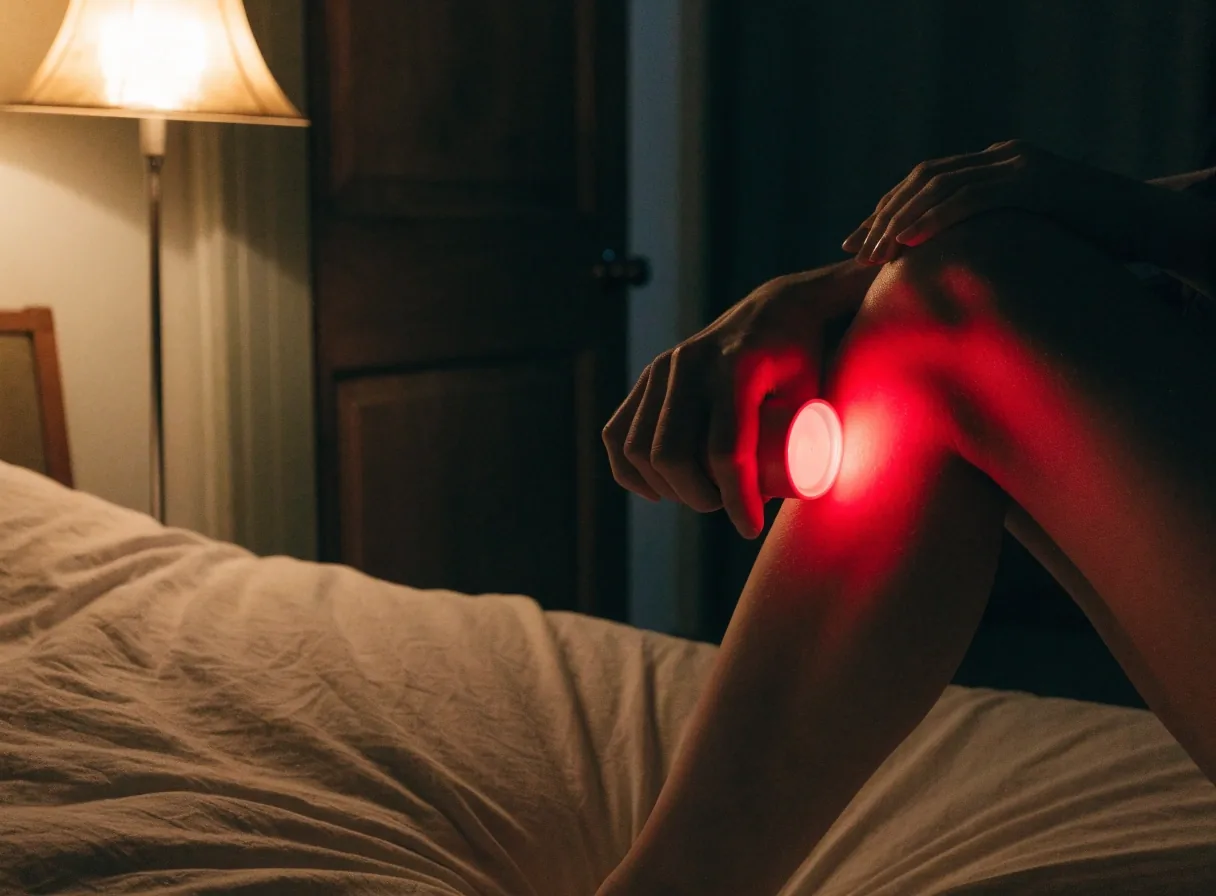
Handheld devices: small, targeted, easy to reach
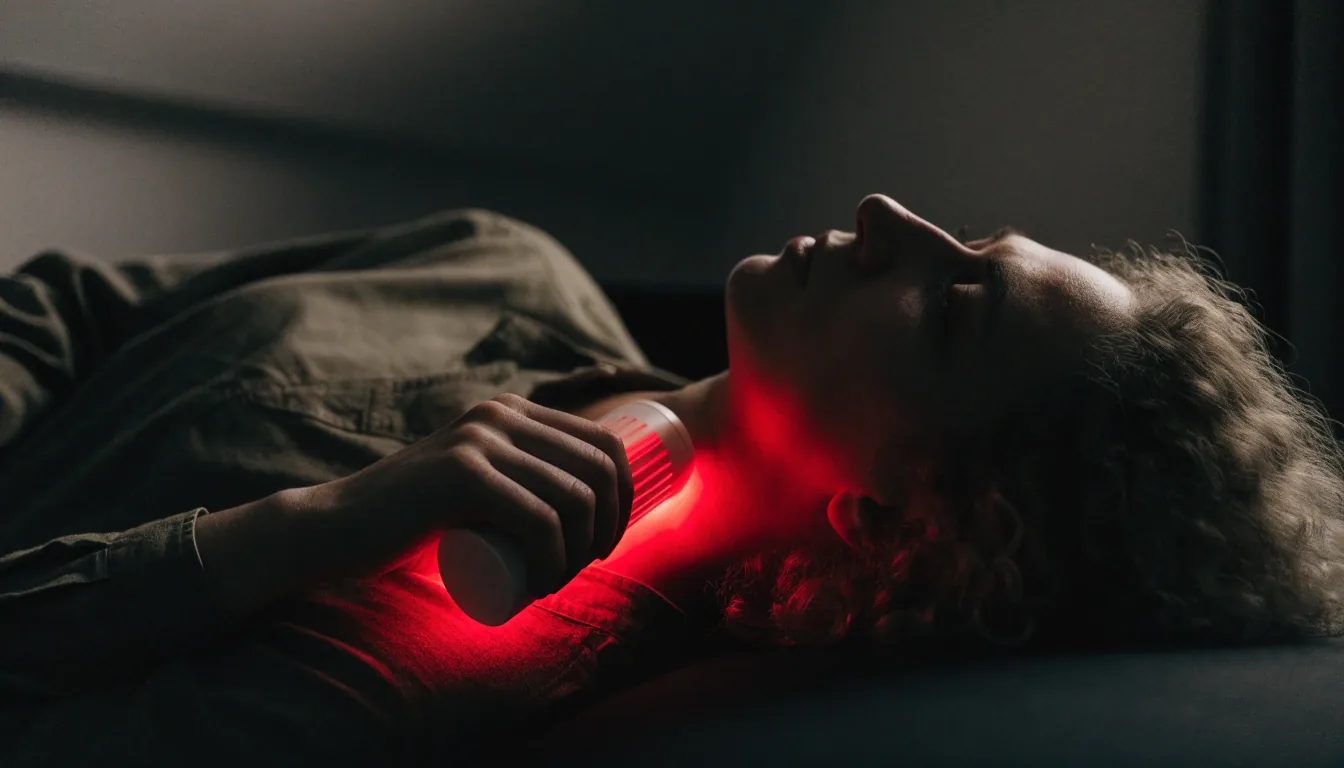
Handheld units are built for knees, elbows, shoulders, and anywhere you can point a light at close range. The dpl Clinical XL Pain Relief sits at the premium end of this group: the brand says it is FDA-cleared and markets it for everyday aches, exercise recovery, and chronic conditions such as arthritis. Cheaper consumer wands borrow the same shape without the same clearance claims.
The tradeoff is coverage area. A handheld treats a spot; it will not warm a whole back. If your problem area moves around, or you need both shoulders in one sitting, expect to reposition the device several times per session.
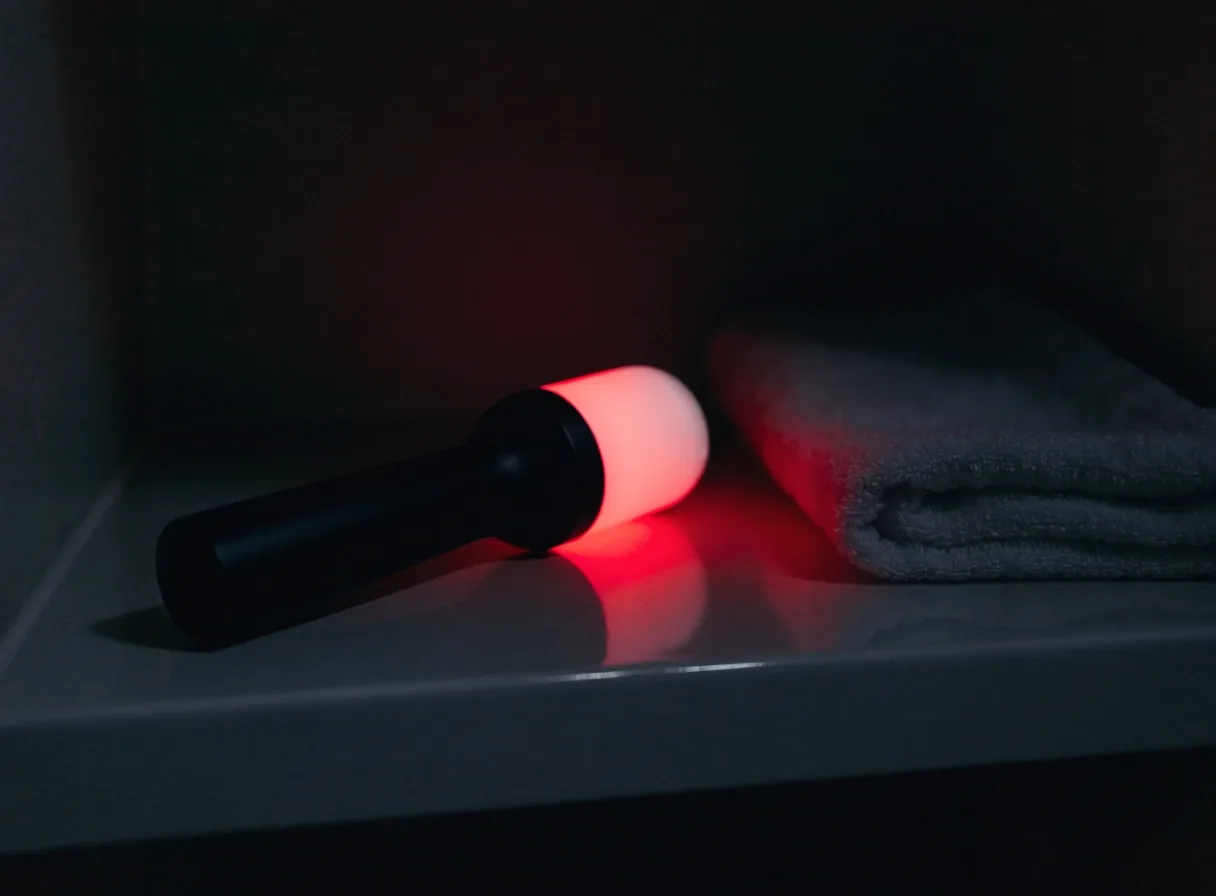
Pain relief flashlights and the wand-format overlap
The term pain relief flashlight gets used loosely, and it is worth separating products that share a shape but not a purpose. The Solawave 4-in-1 Radiant Renewal Skincare Wand is a handheld light wand that shows up in red-light roundups, but it is built for skincare, not joint therapy. Buyers scanning by silhouette alone end up comparing tools that do not compete. Check the intended use on the label before you treat a wand and a therapy flashlight as the same purchase.
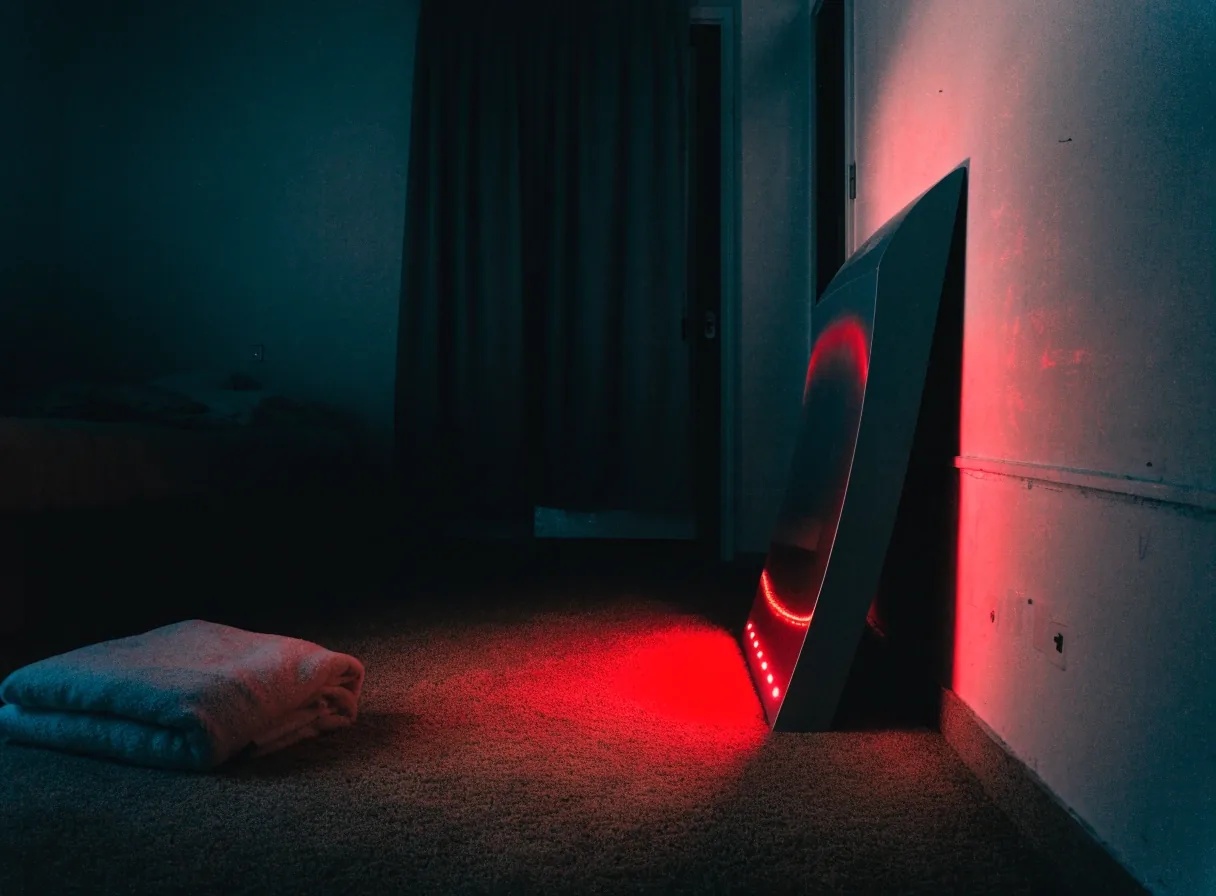
Panels and lamps: coverage over portability
Panel-style devices combine red and near-infrared wavelengths and are favoured for larger treatment zones such as backs, hips, and knees. The MitoPRO 1500 is a large panel in the higher-output home tier, usually discussed as a serious fixed setup rather than a grab-and-go tool. Panels cost more, take up room, and reward a routine. If your problem area is a single knee, a panel is often more device than you need.
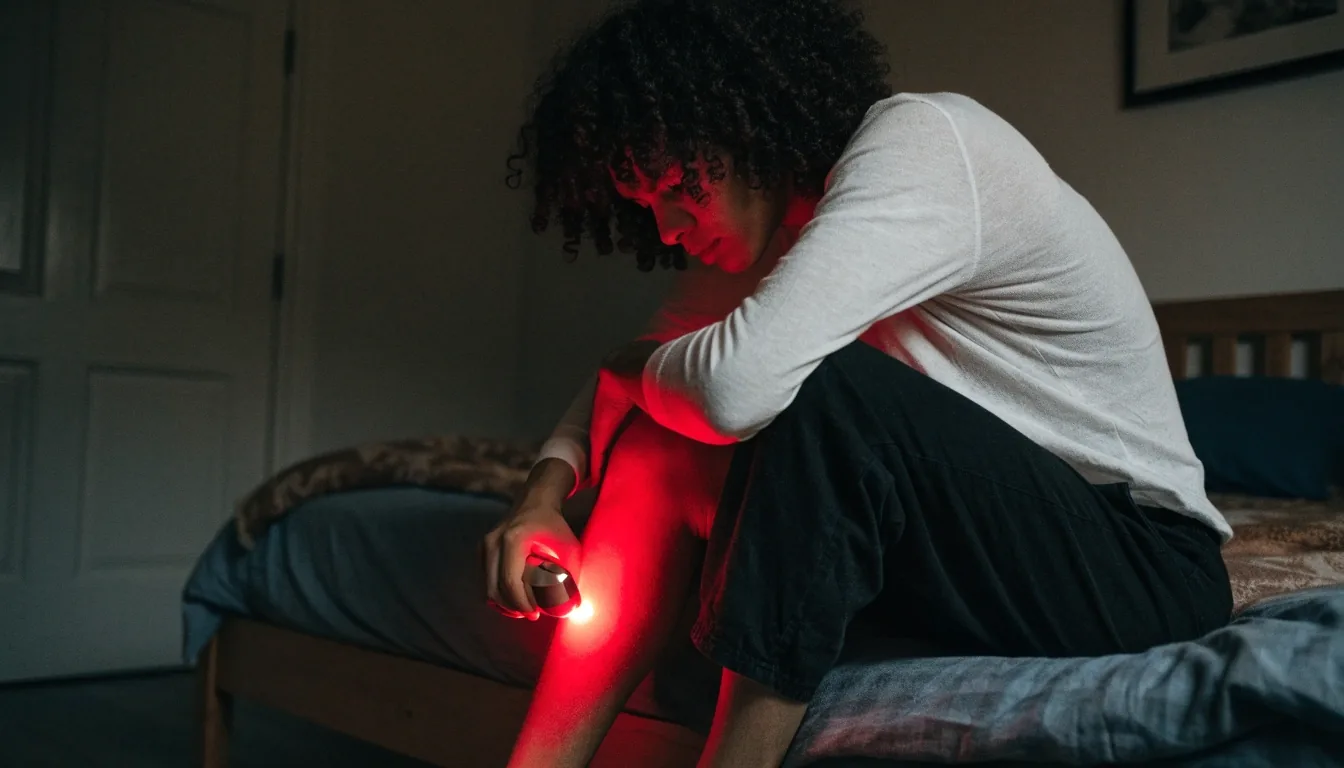
The best-spec device you never pick up is worse than the modest one you use daily.
Where portability genuinely matters
Lumaflex Body Pro markets portable red-light devices and frames portability as a core benefit for home or travel use. That is a real distinction, not a slogan. A device that lives in a bag gets used on a lunch break; a panel in a spare room gets used when you remember it. Our comparison table flags portability separately from power, because the best-spec device you never pick up is worse than the modest one you use daily.
Before you compare wattage, write down where the device will sit and how many minutes you can realistically give it. That single sentence eliminates most of the market for you.
The crossover crowd: recovery gadgets that compete for the same budget
Not every product here is a light. TheraBody SmartGoggles appears in major wellness-device comparisons as a smart wearable, and it targets tension relief and relaxation rather than joint therapy directly. It matters because it competes for the same money.
If you are weighing a therapy light against a recovery wearable, decide first whether you want targeted light exposure or general relaxation, because those are different jobs.
How the comparison table is organized
Every device gets the same fields: form factor, wavelength type, intended use, regulatory status, and treatment area. That structure lets you filter by your actual constraint. Treating a shoulder? Sort to handheld. Treating lower back? Sort to panel. We do not rank by price, because a cheap device that fits your use case beats an expensive one that does not.
Reading wavelength labels without getting lost
- Red light
- Visible range. The glow you actually see on the skin.
- Near-infrared
- Invisible, penetrates differently. Often combined with red in one unit.
- Unlisted wavelengths
- A genuine gap. We note when a brand does not publish them.
Regulatory status: cleared versus branding
- FDA-cleared
- Went through a specific review pathway for a stated use.
- Therapeutic / clinical-grade
- Marketing words that carry no clearance.
- Not stated
- Marked as unknown in the table, not read as equivalent.
How experienced users evaluate a device
- They read spec sheets
- Brand pages stop being the source of truth after a few purchases.
- They check three things
- Published wavelengths, handheld or fixed, and a stated regulatory pathway.
- They match a routine
- A ten-minute habit beats an ambitious plan that dies in week two.
The joint therapy devices showcase
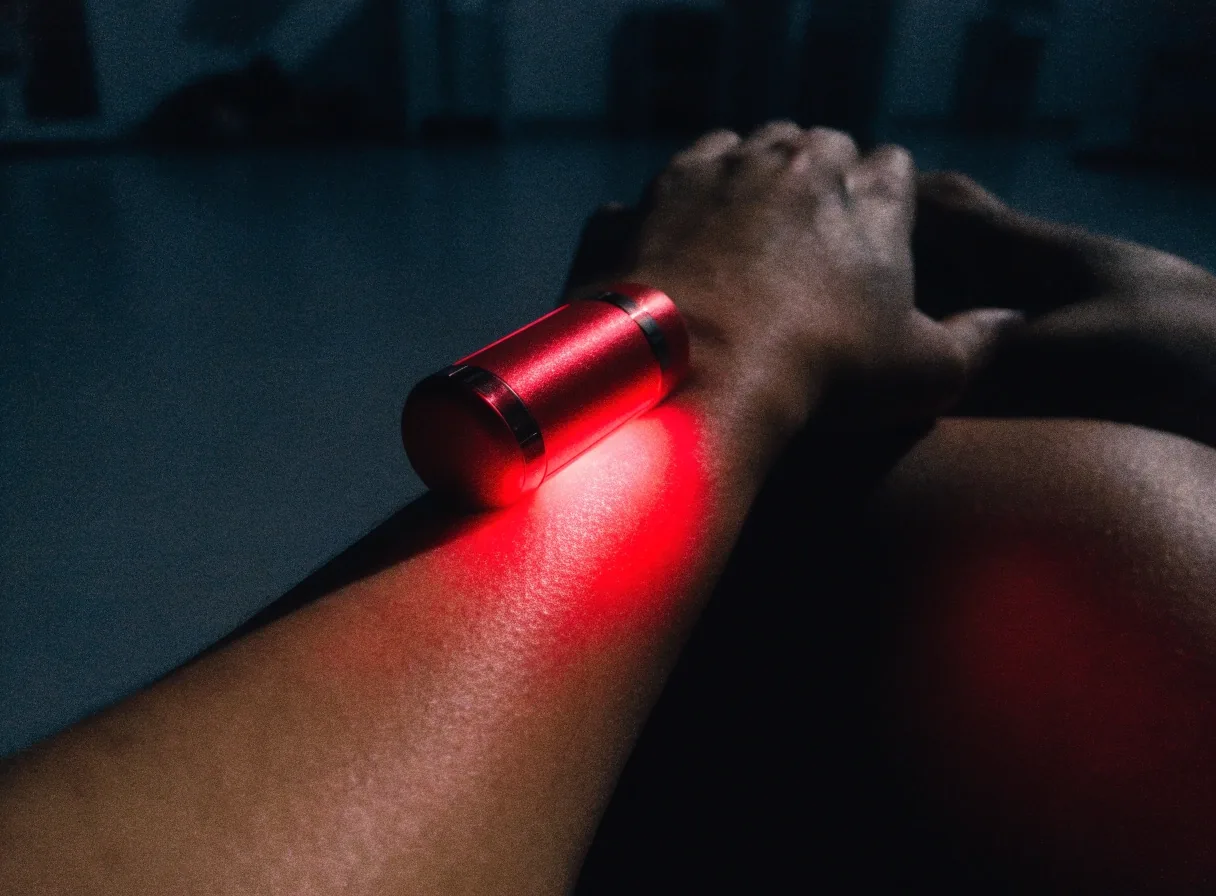
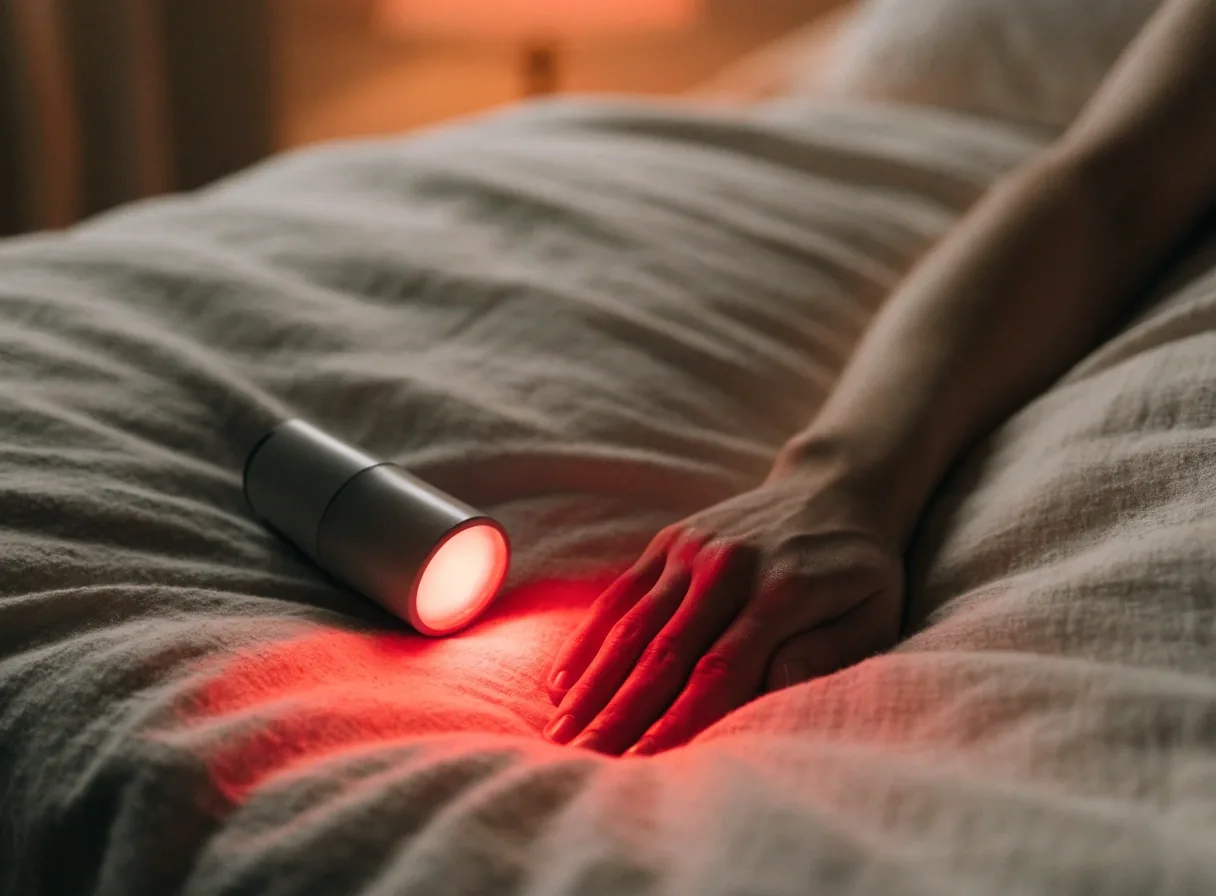
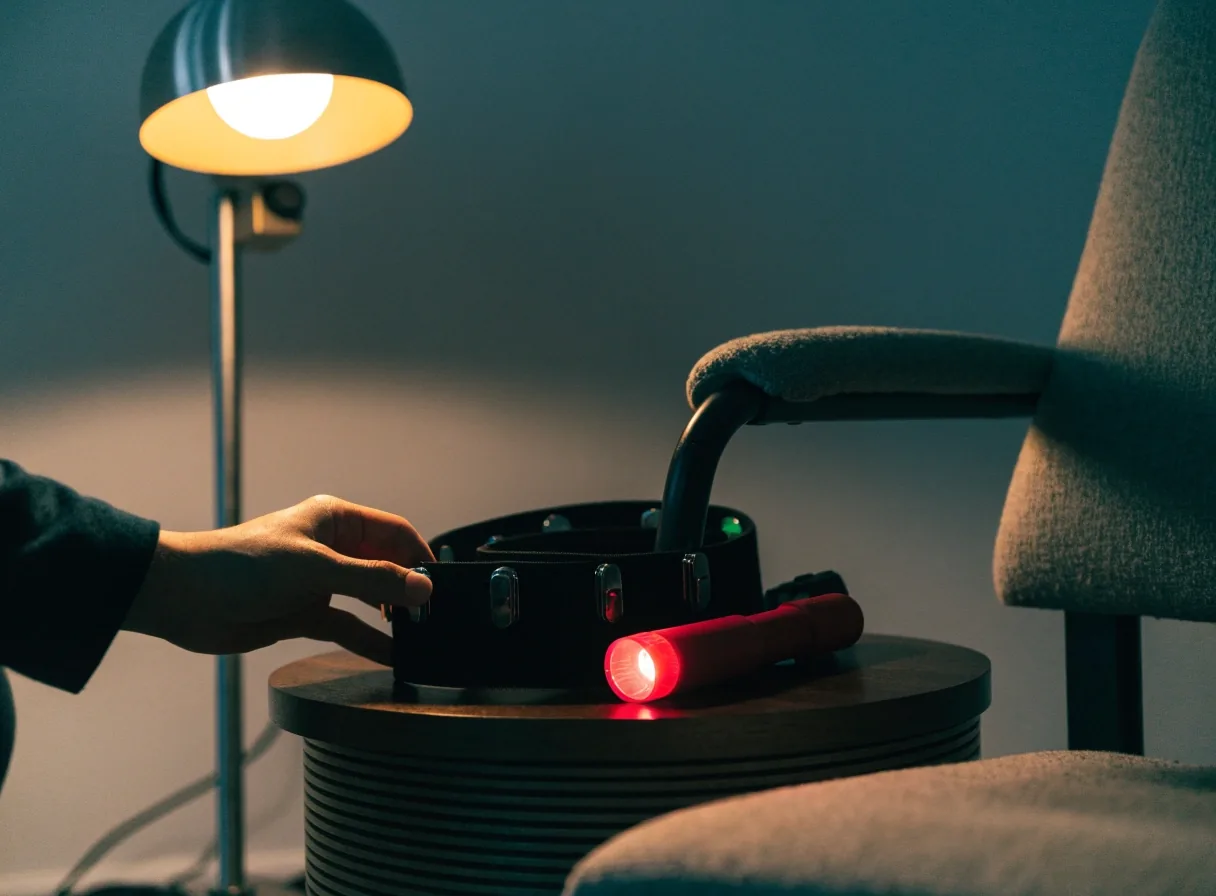
Four formats photographed in the rooms where people actually use them. Each frame carries the facts that decide a purchase: what the device is, what it reaches, and what the seller says about its status.
Common beginner mistakes
Buying by shape is the first mistake, and buying by wattage is the second. A higher number on the box does not tell you whether the device suits a knee or a whole torso. The third is assuming any red light does the same job as any other, when skincare wands and musculoskeletal devices are separate product classes. Slow down on intended use and clearance status before you look at anything else.
What this site does and does not do
We are a comparison and showcase site. We do not sell devices, we do not run a checkout, and we do not offer medical advice. Nothing here diagnoses or treats a condition, and no device on this site is presented as a cure.
If you have a joint condition, talk to a clinician about whether light therapy belongs in your plan at all. Our job is to make the specs legible so that conversation is easier.
Questions buyers ask before ordering
Which red light therapy device is best for knees, shoulders, and back pain?
There is no single answer, because coverage differs by area. A handheld device suits a knee or shoulder you can reach directly. A panel suits a back or hips where you need broader coverage. Match the form factor to the body area first, then compare specs.
What is the difference between red light, near-infrared light, and infrared heat therapy?
Red light is visible; near-infrared is invisible and penetrates differently. Infrared heat therapy is a separate category that works through warmth rather than light exposure. Many devices on this site combine red and near-infrared in one unit.
Are handheld pain relief lights actually better than larger panels?
Better for targeted spots, yes. Worse for broad areas. A handheld treats a small zone at close range, while a panel covers a back or hips in one session. Neither is universally better; the body area decides.
How do I tell whether a device is FDA-cleared or just marketing itself as therapeutic?
Look for the specific phrase FDA-cleared tied to a stated use, not words like clinical-grade or medical-grade. If a seller does not state a regulatory pathway, treat the status as unknown. Our comparison table marks this per device.
Which wavelengths are most commonly used for joint and muscle relief?
Red and near-infrared are the two you will see most often, frequently combined in one device. Some brands publish exact wavelengths; others do not. An unlisted wavelength is a genuine gap worth noting before purchase.
Start where your problem area is
Read the specs first. Then decide whether a device belongs in your routine.