
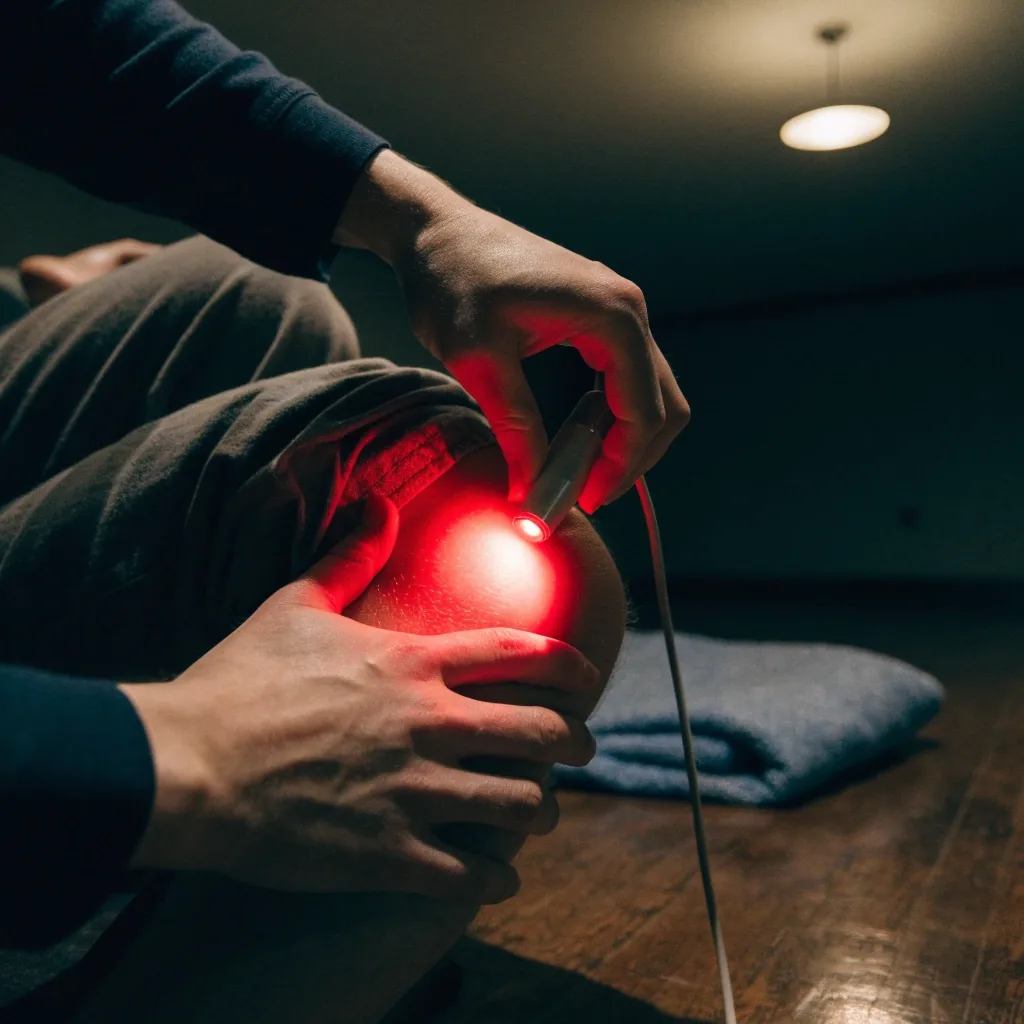
Red light, near infrared, and where each one reaches
Spec-focused reviews of joint therapy devices
What each device is, what its seller claims, which wavelengths and clearance pathway are documented, and where the gaps sit — so you can judge fit for your treatment area and routine.
Last reviewed 6 November 2026 Six devices on this page, reviewed on documented specs only.
Reviews that stay on specs, intended use, and regulatory status
We don't score devices out of ten, and we don't rank them against each other, because fit depends on your treatment area and routine. What follows is what each device is, what it claims, and where the gaps are.
That matters more in this category than in most. Two devices can both say "red light therapy" and still differ on wavelength, coverage area, session length, and whether a regulator has cleared the intended use. A wand that suits a wrist is the wrong tool for a lower back, and a full panel that covers a torso is awkward for a knee. Read each review against the joint you actually want to treat.
The five things we check
- Form factor
- Wavelength type
- Intended use
- Treatment area
- Regulatory status
How we review a device
The absence of a fact is recorded as carefully as the fact itself.
Five things get checked on every device: form factor, wavelength type, intended use, treatment area, and regulatory status. If a seller publishes exact wavelengths, we record them. If a clearance pathway is stated, we note it. If something is missing, that absence is part of the review, not a detail to smooth over.
A short word on why we work this way. Light therapy marketing borrows clinical language freely, and the same device can be described as a wellness gadget, a recovery tool, or a medical treatment depending on who is selling it. Those are different claims with different consequences. When we write a review, we separate what a brand says about its own product from what an independent study or a regulator has documented. That separation is the most useful thing a comparison page can offer, because it lets you weigh a claim against the source behind it.
Documented
Exact wavelength figures, clearance pathway, or study design a source states outright.
Brand-stated
Marketing language we attribute to the seller rather than repeat as fact.
Unstated
A spec a seller omits. We flag the gap instead of filling it in.

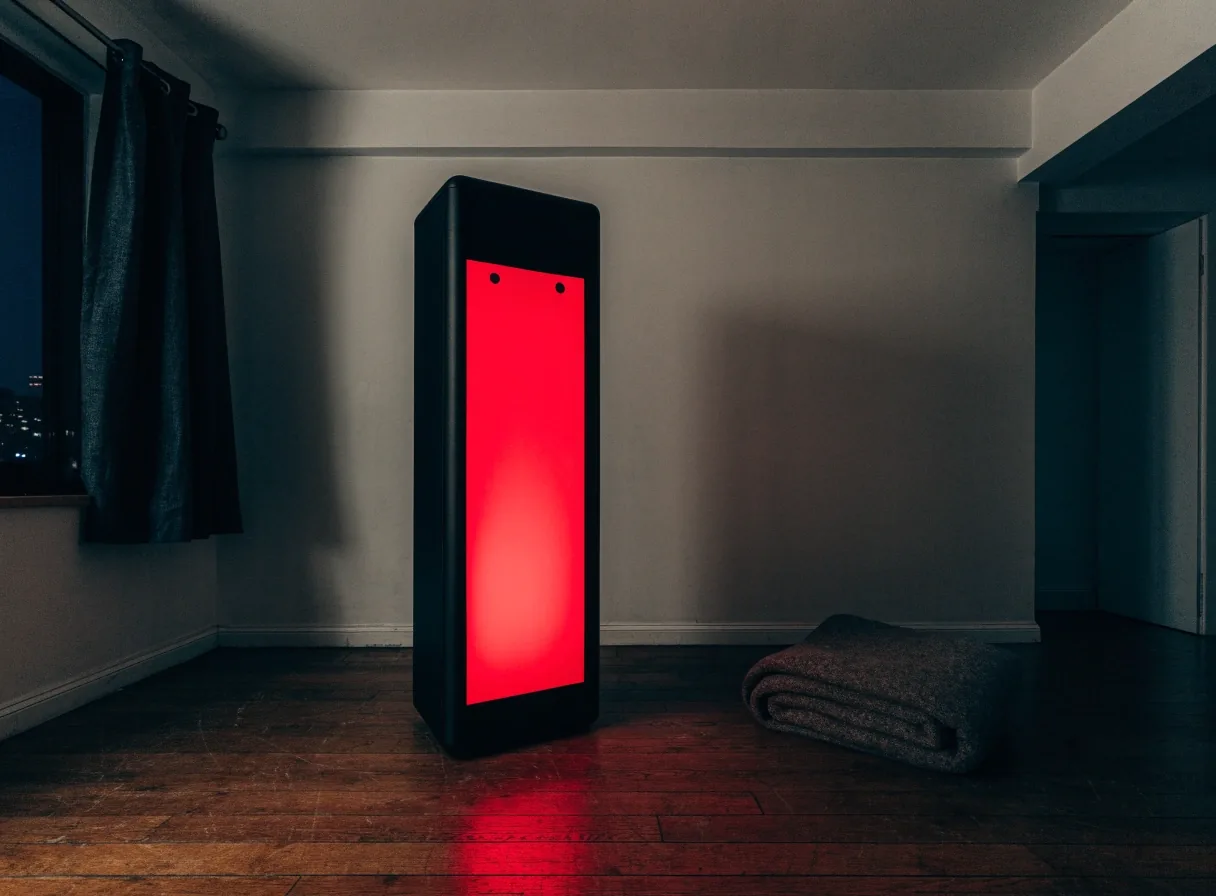
Panel device, bedroom setup A fixed panel covers a torso well and a knee poorly — the review question is whether your treatment area justifies the space.
The devices, reviewed one at a time
Each entry below states the form factor, the light type, who the device is built for, and what its documentation actually covers. Nothing here is a ranking — the order is simply the order we reviewed them in.
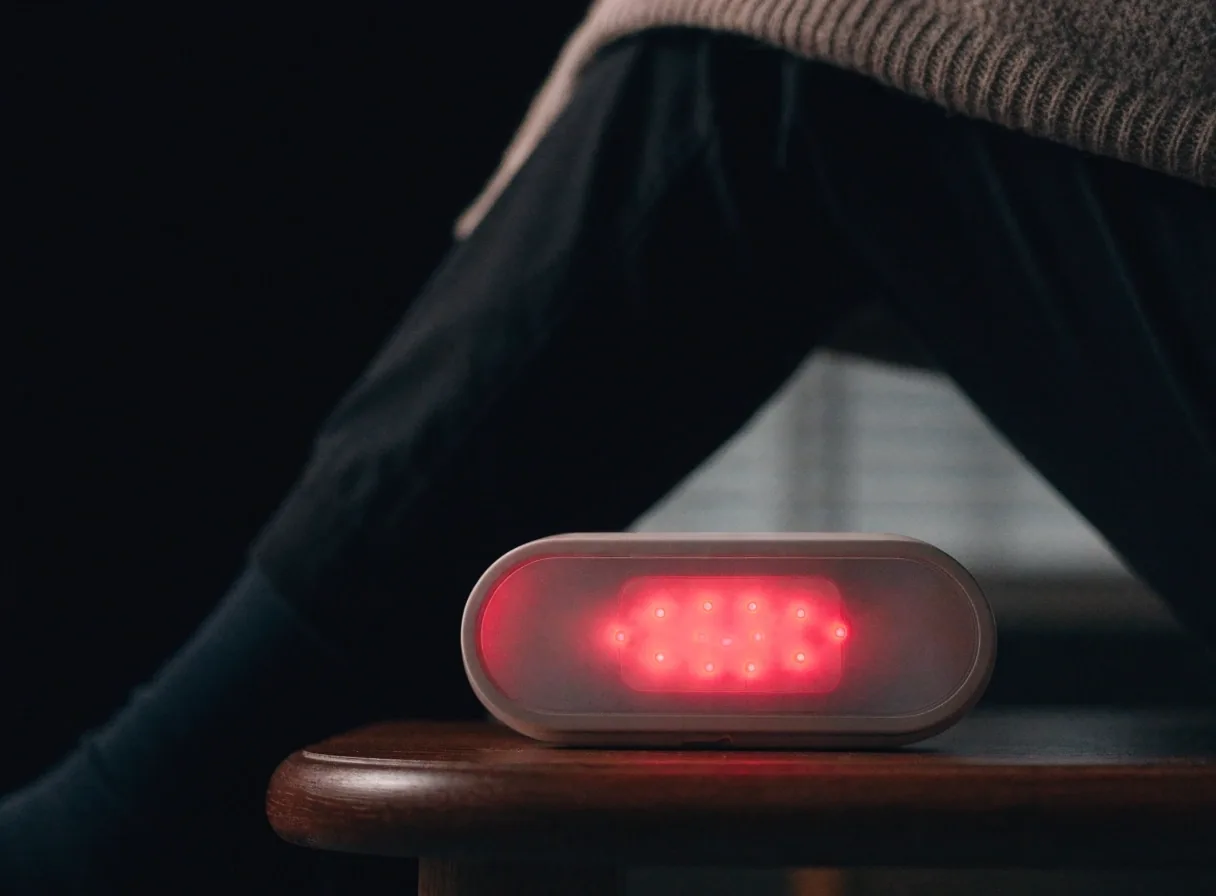
FDA-cleared handheld paddle, red and infrared
dpl Clinical XL Pain Relief
The product page describes it as a red and infrared light therapy solution, and the brand says it is FDA-cleared. It's marketed for everyday aches and pains, exercise recovery, and chronic conditions such as arthritis, and it's positioned as a more powerful, professional-grade option within the dpl line. The FDA clearance claim is the standout spec here.
In practice that clearance claim is what separates it from the unbranded wands you'll see at a similar price. It tells you the manufacturer went through a regulatory pathway for a stated intended use rather than launching the product as a general wellness item. It does not tell you the device will work for your shoulder — only that the seller documented the claim. Pair it with a treatment area it was designed to reach, and check the session guidance before you buy.
- Form factor
- Handheld paddle
- Light type
- Red and infrared
- Regulatory status
- Brand states FDA-cleared
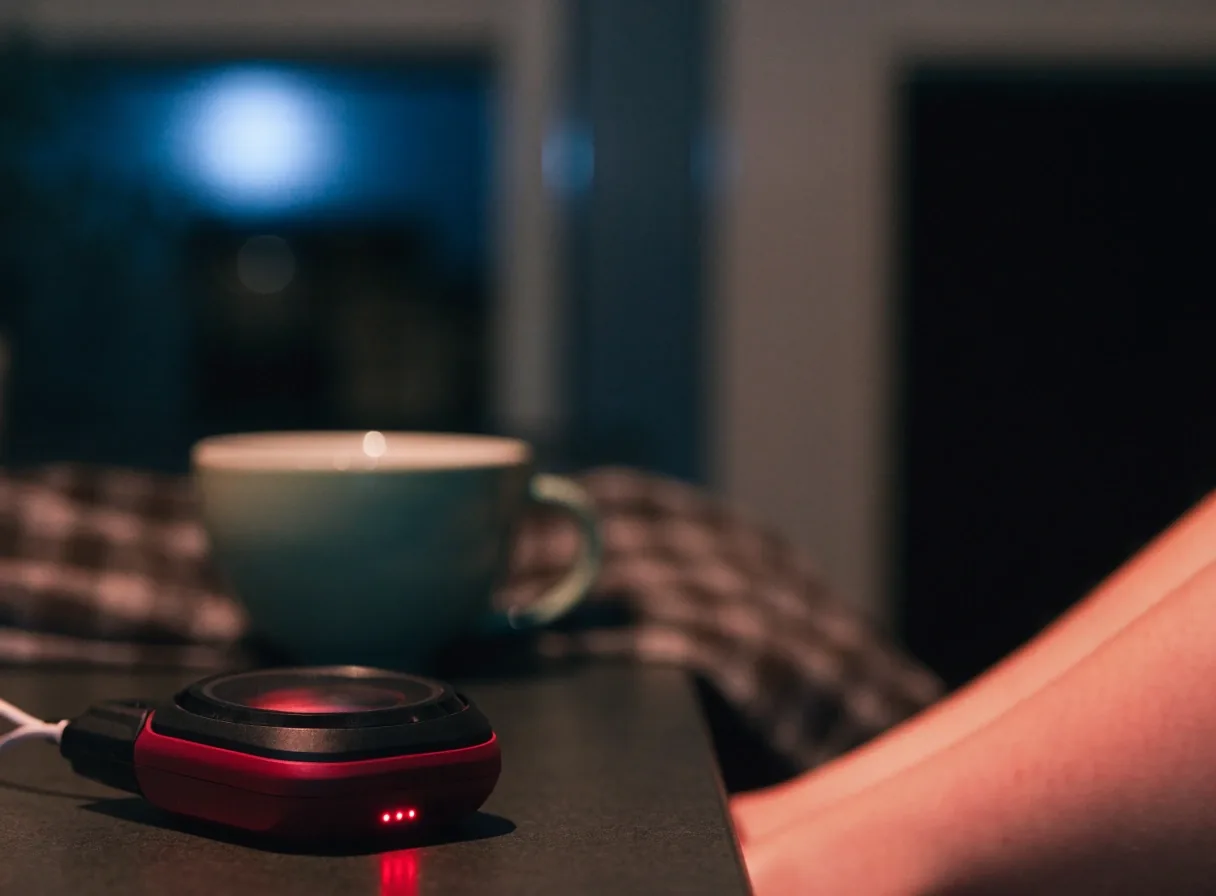
Compact pod, documented in a 2026 clinical study
CURAPOD
Described in a 2026 clinical study as a noninvasive device for musculoskeletal pain, the CURAPOD uses visible red and infrared light. The study reports short-term pain reduction and self-reported relief after treatment. It's compact and self-administrable, with 7 LEDs in the study description. That documentation separates it from consumer wands.
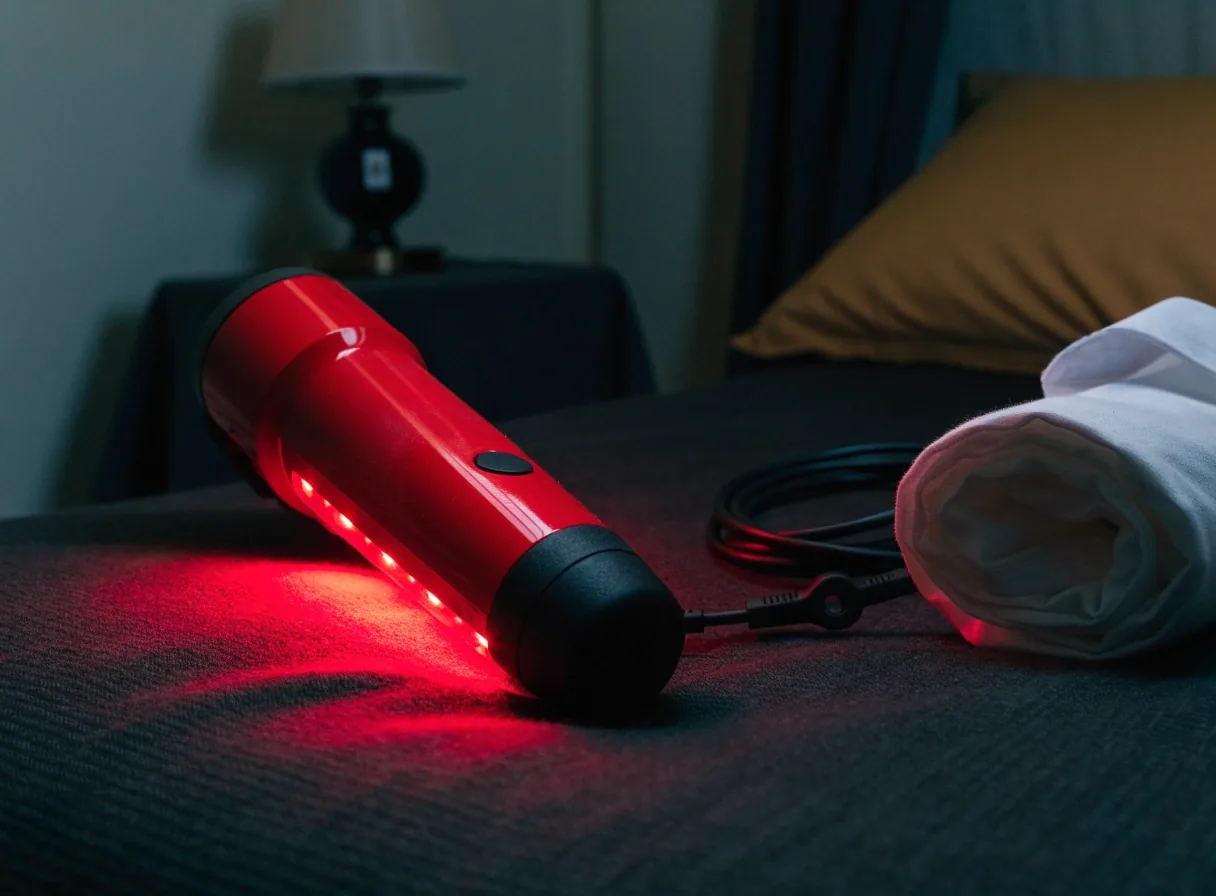
Portable red and near-infrared, brand-stated benefits
Lumaflex Body Pro
The brand markets portable red-light devices for healing, and the product messaging emphasizes reducing inflammation and easing muscle and joint pain. It's built around red and near-infrared light therapy. Portability is framed as a core benefit for home or travel use. Treat the inflammation and pain language as brand messaging rather than a verified outcome.
Fixed home panel, premium segment
Joovv Solo 3.0
Commonly referenced in red-light therapy buying guides, this model is associated with home panel-style treatment and positioned for broader body coverage than a small handheld device. It sits in the premium segment of the category. It's a fixed setup, so the review question is whether your treatment area justifies the space.
Large high-output home panel
MitoPRO 1500
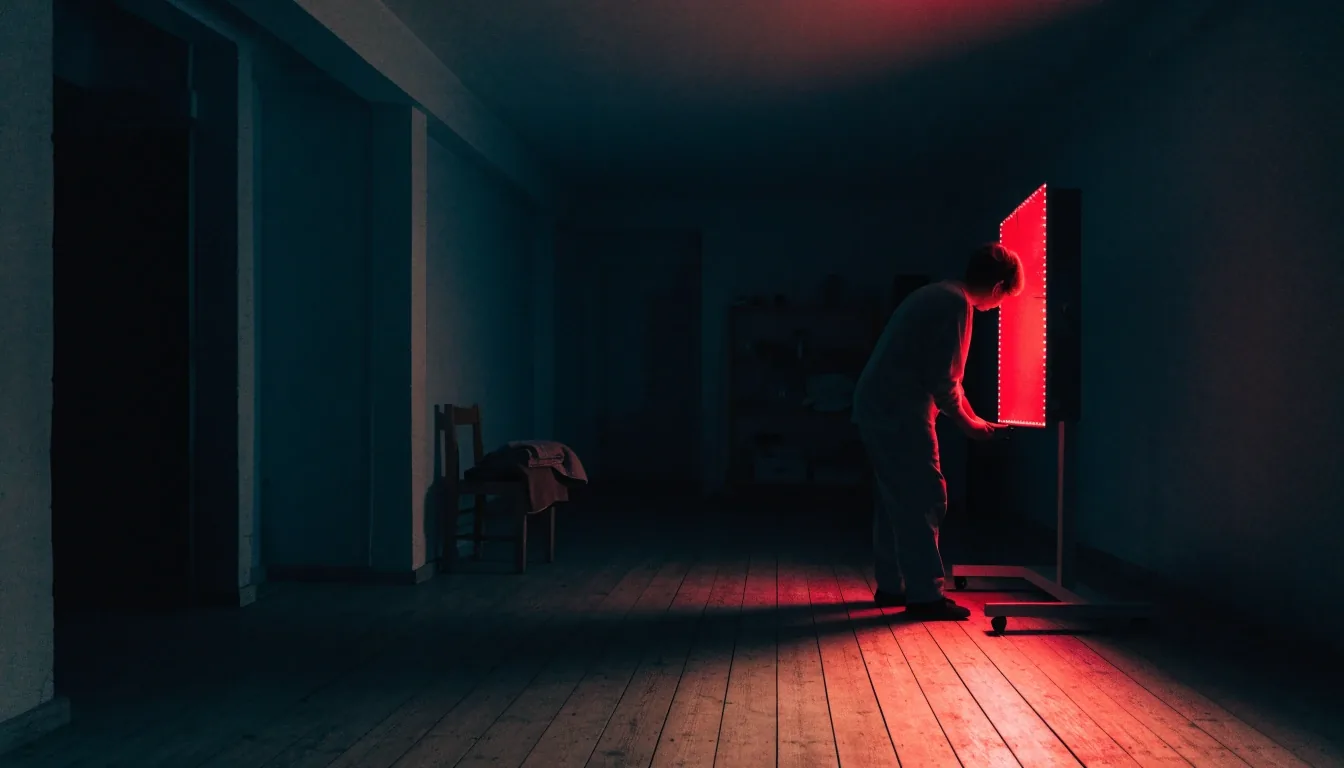
Featured in consumer device lists for at-home red-light therapy, it's a large panel designed for broader coverage. It sits in the higher-output home device tier and is typically discussed as a serious home setup rather than a grab-and-go tool. Like other panels, it rewards a routine and a dedicated spot.
Handheld wand, skincare-focused
Solawave 4-in-1 Radiant Renewal Skincare Wand
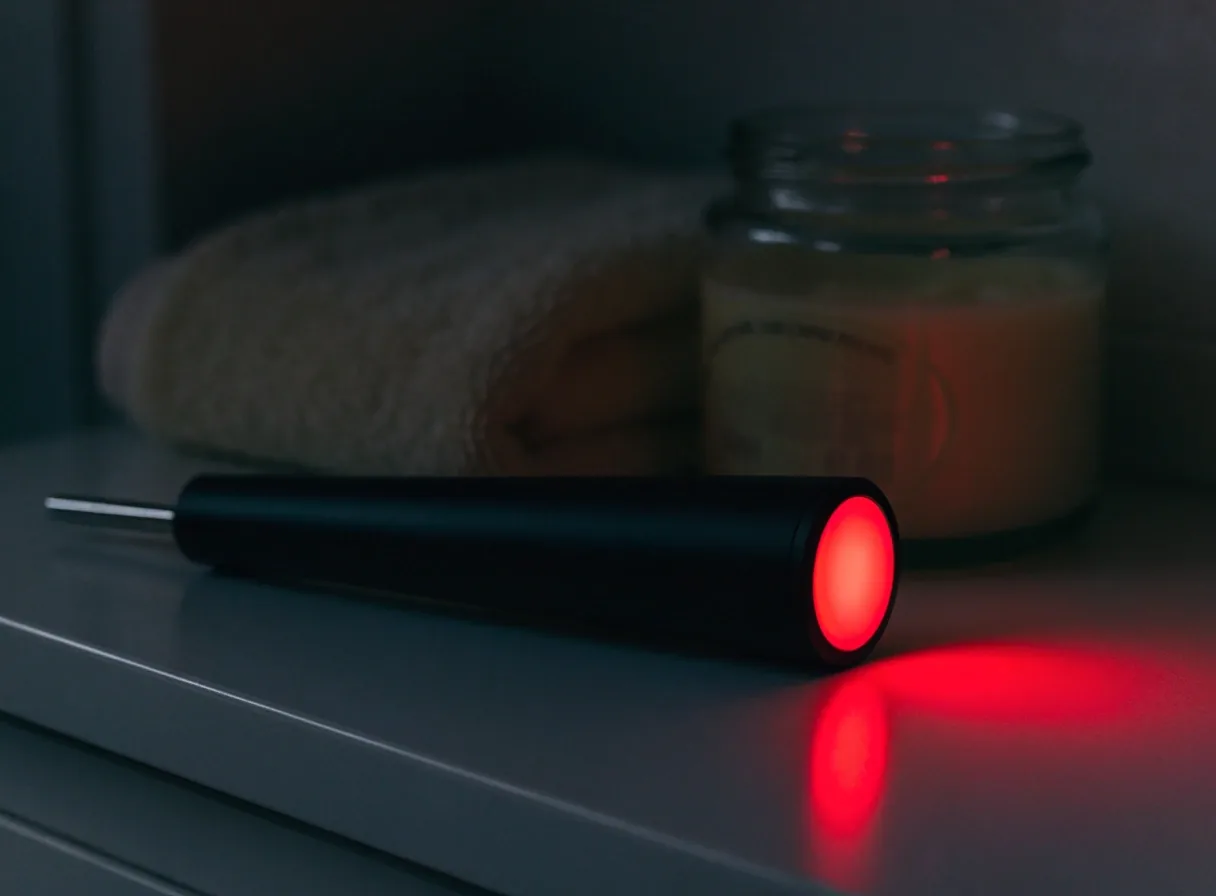
A handheld wand that shows up in current red-light device roundups, mostly known for skincare rather than joint therapy. Its wand form factor is relevant to shoppers comparing small handheld devices, and it illustrates the overlap between beauty tools and pain-relief flashlights. Reviewed here for shape comparison, not joint use.
Smart wearable, tension and relaxation
TheraBody SmartGoggles
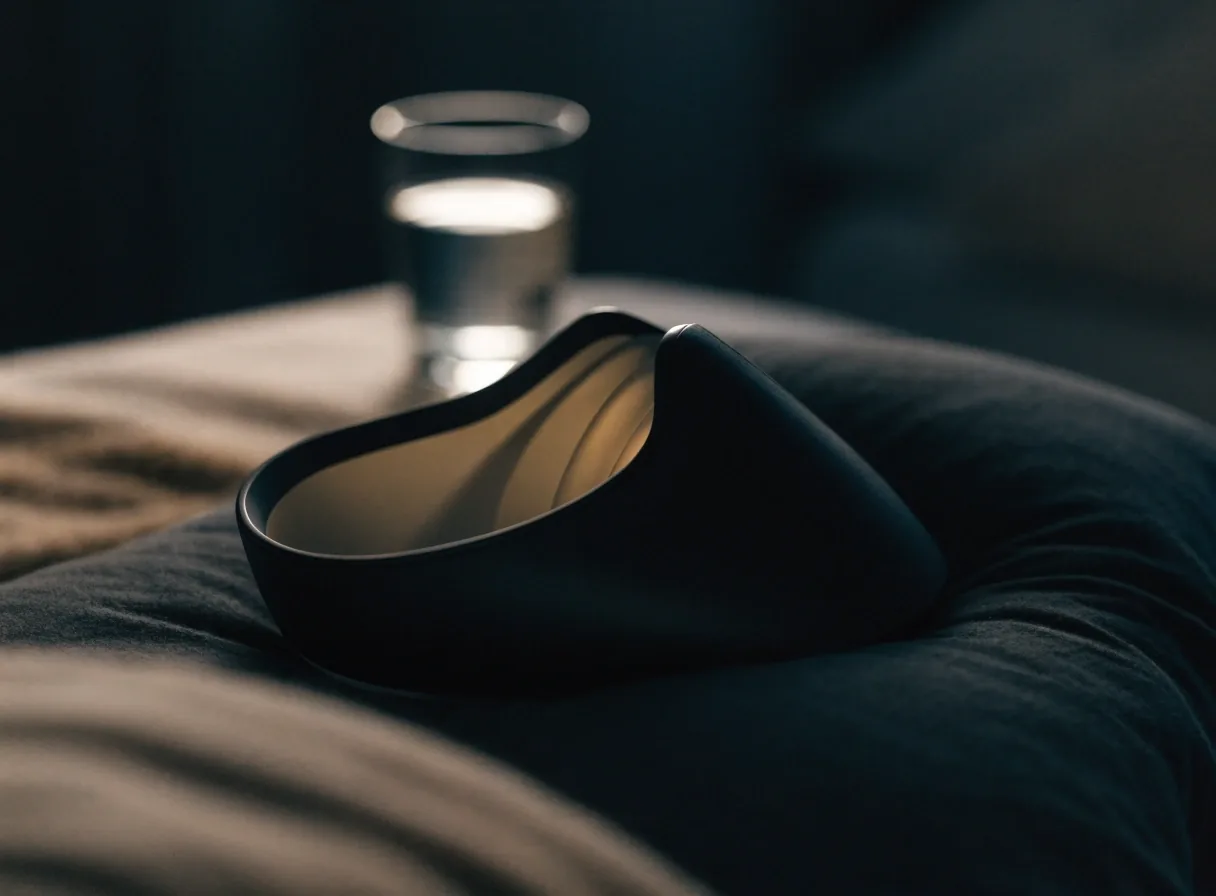
This one appears in major wellness-device comparisons as a smart wearable. It isn't a pain light, but it sits in the same recovery and relaxation shopping universe. The product targets tension relief and relaxation rather than joint therapy directly. Its presence in category roundups reflects the crossover between wellness gadgets and recovery devices.
All six devices side by side
The same facts from the reviews above, laid out so you can read across. Where a cell says the seller does not publish a figure, that is the honest answer — it isn't a gap we filled in for them. Scroll the table sideways on a phone.
| Device | Form factor | Light type | Best suited to | Regulatory status |
|---|---|---|---|---|
| dpl Clinical XL Pain Relief | Handheld paddle | Red and infrared | Localized joint and muscle pain | Brand states FDA-cleared |
| CURAPOD | Compact pod | Visible red and infrared | Self-administered musculoskeletal pain | Documented in a 2026 clinical study |
| Lumaflex Body Pro | Portable body light | Red and near-infrared | Home and travel use | Wellness device, no clearance stated |
| Joovv Solo 3.0 | Fixed home panel | Red and near-infrared | Broader body coverage at home | Consumer device, no clearance stated |
| MitoPRO 1500 | Large home panel | Red and near-infrared | Dedicated home routine | Consumer device, no clearance stated |
| Solawave 4-in-1 Wand | Handheld wand | Red light | Skincare, listed for shape comparison | Beauty device, no joint-use clearance |
| TheraBody SmartGoggles | Smart wearable | Not a light-therapy device | Tension relief and relaxation | Wellness device, no joint-therapy clearance |
Start with your joint
A wrist, elbow, or knee is a small treatment area. A handheld device or a compact pod reaches it comfortably; a floor-standing panel mostly misses it. Decide the area first, then let the form factor filter the list.
Lower back, shoulders, or a whole limb want coverage. That is where panels and larger body lights earn their footprint.
Then read the wavelength and clearance
Red light and near-infrared light are not the same tool. Red sits closer to the surface; near-infrared reaches deeper into tissue. A device that lists both is doing more work than one that only names red.
Regulatory status is the other half. An FDA clearance or a published study tells you the claim was documented somewhere other than a product page.
Then match it to a routine you'll keep
Panels reward a fixed spot and a steady schedule. Handhelds reward short, frequent sessions you can fit around a working day. The device you actually use beats the one with the better spec sheet.
If a routine sounds like a chore, the panel will sit in a corner. Be honest about that before you spend.
What we don't claim
No device here is presented as a cure, and no review asserts an outcome the seller hasn't documented. Where a brand makes claims about inflammation or recovery, we attribute them to the brand. Where a device has study documentation, we say so. Everything else is spec, and spec is what you can actually compare.
That also means we won't tell you a device is right for you. We don't know your history, your diagnosis, or what your clinician has advised. If you're managing a diagnosed condition, treat these pages as a way to prepare better questions rather than as a substitute for that conversation.
Where our information comes from
- Product pages and seller specifications
- Published clinical studies, where they exist
- Buying guides and consumer device roundups
Questions we get about these reviews
Why don't you give these devices a score out of ten?
A single number hides the thing you actually need to know. A panel can be excellent for a lower back and useless for a wrist. We list the specs that decide fit and let you match them against your own treatment area instead of pushing one winner.
What does "FDA-cleared" mean on a product page?
It means the seller states the device went through a regulatory clearance pathway for a specific intended use. It is a documented claim, and it is worth more than unverified marketing language. It still doesn't guarantee the device suits your particular joint, so read the intended use alongside it.
Why is a skincare wand in a joint therapy review?
Because shoppers keep comparing them. Handheld red-light wands and pain-relief flashlights share a shape and a wavelength range, so people reasonably ask whether one can do the other's job. We include it for the shape and spec comparison and say plainly that it isn't cleared or marketed for joint use.
Can you review a device that isn't listed here?
Yes, and we'd rather hear it from a reader than find it by accident. Send the device name and a link to the seller's own product page. If it has documented wavelengths, an intended use, or a clearance pathway we can check, it belongs in the queue.
Tell us which device to review next
If you've been comparing something we haven't covered, send the name and the seller's page. We check the documentation first and add it when there's something real to compare.
JointLight Compare · Zmaja od Bosne 12, 71000 Sarajevo, Bosnia and Herzegovina Monday to Friday, 9:00 AM – 6:00 PM Reviews are written from published specs and seller documentation, and updated when a claim changes.