
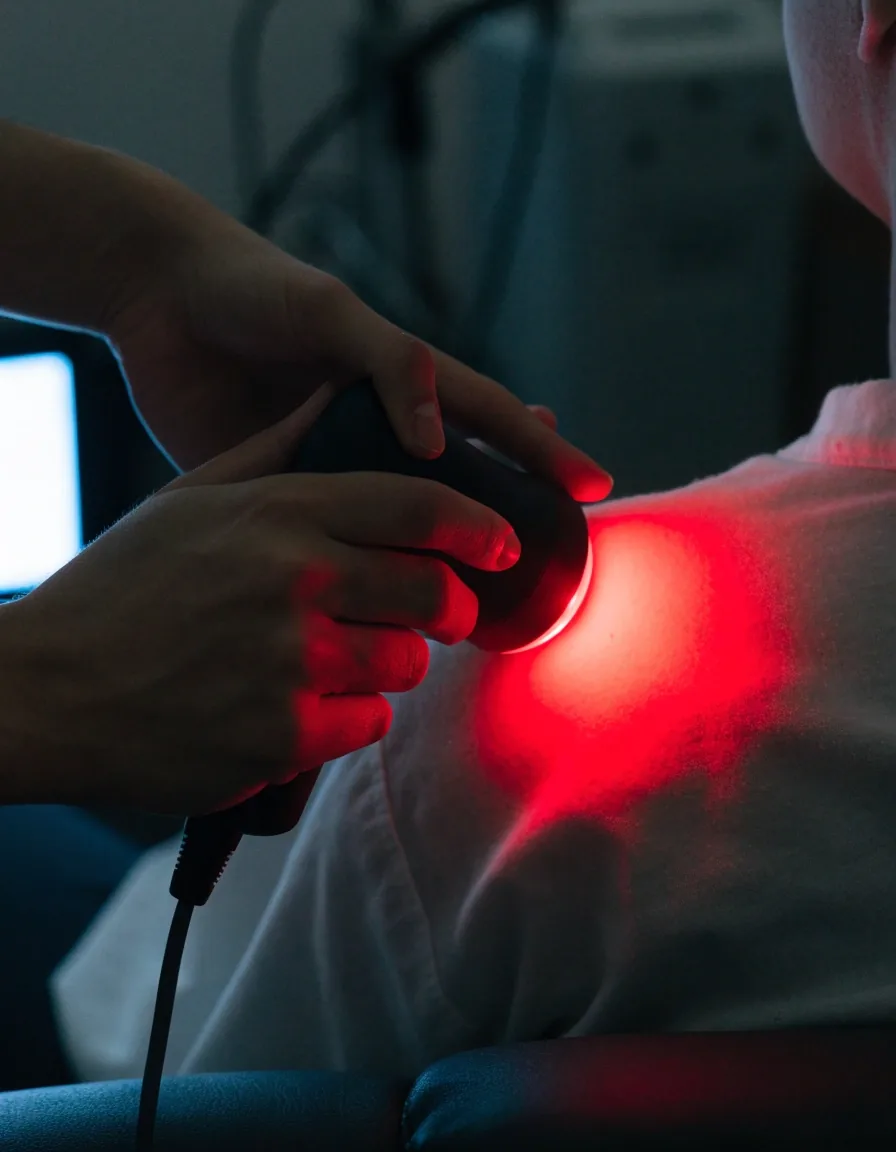
About JointLight Compare
An independent comparison site for joint therapy devices, infrared devices and pain relief flashlights.
Who runs this site
JointLight Compare is run by a small editorial team based in Sarajevo, Bosnia and Herzegovina. We publish in English for a cross-border audience that compares handheld units, panel-style devices and pain relief flashlights sold across Europe and online.
We do not sell devices, take orders or run a checkout. There is no affiliate cart on this site. What we publish is structured information: what a device is, what wavelengths and treatment areas its seller states, and what its regulatory paperwork says. Nothing here needs an account or a form to read.
That restraint is deliberate. A comparison page that also wants to sell you something has an obvious reason to shade the facts, and readers can feel it. Our only output is the record.
What this site is
- An independent comparison site for light-based joint therapy devices
- Published in English, read by shoppers in several countries
- Free to read, with no checkout and no device sales
What this site is not
- A clinic or a source of medical advice
- A ranking board, award panel or price guide
- A shop with affiliate checkout links
Why this site exists
The light therapy market is full of near-identical products with very different documentation. A clinical study device and a repackaged beauty wand can look the same on a shelf.
We built this site to separate them by spec, form factor and regulatory status, so buyers can see the difference before spending money. That means reading a product page the same way a buyer would, and then checking whether anything behind the claim exists: a wavelength figure, a stated clearance, a study the manufacturer did not write themselves.
Most of the confusion in this category comes from missing information, not from dishonest marketing. A listing that never states its wavelengths, its treatment area or its regulatory status is not necessarily hiding something. It is simply unreadable, and unreadable is expensive when the device costs as much as a month of physiotherapy.
Our response is a fixed record: the same fields for every device, filled in or explicitly left blank. When a field is empty, that blank is the finding. It tells you what the seller has not published, which is exactly the thing a shelf photo cannot show.
Two devices, same shelf photo
Documented device
Wavelengths published, intended use defined, a clearance or study on record. You can check each claim against a source.
Undocumented device
A similar housing, a similar price, and no published wavelengths, treatment area or clearance status anywhere on the page.
On a comparison table the difference is a row of blanks, not an argument.
How devices get selected
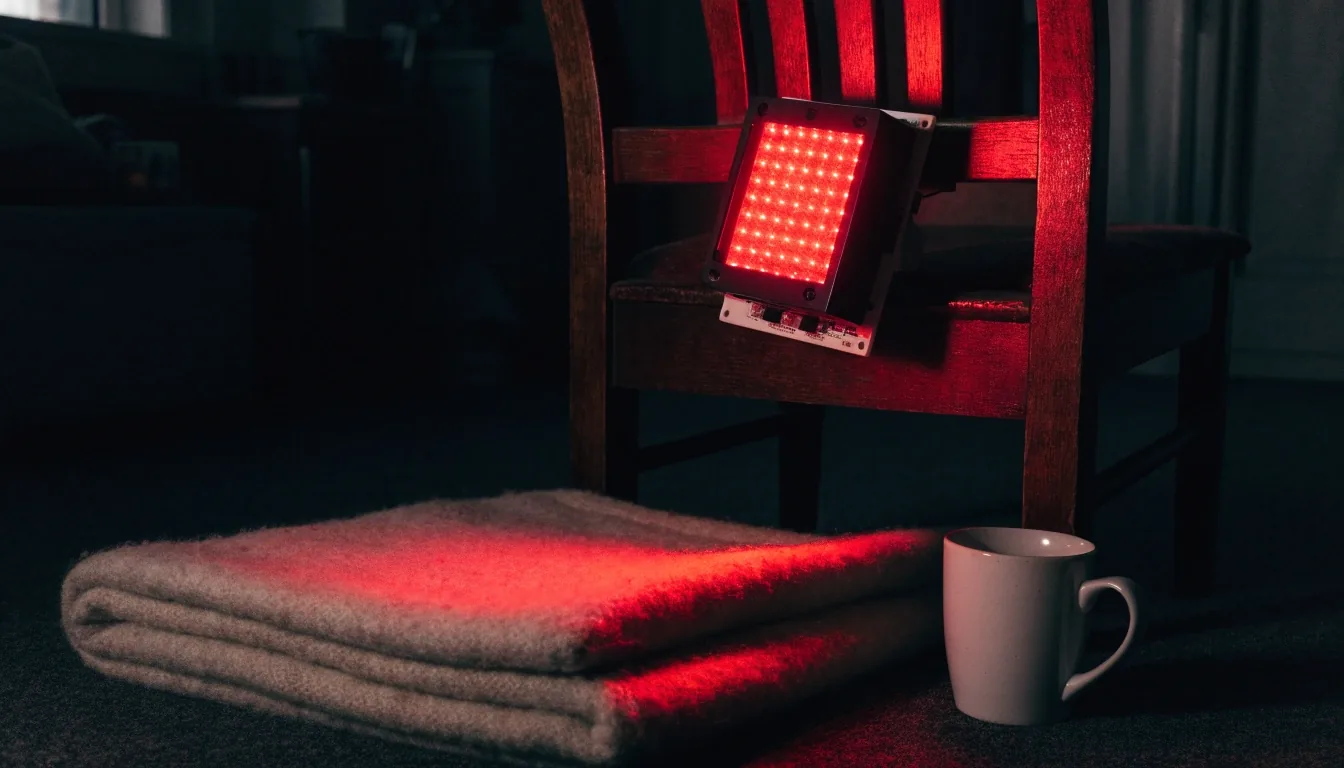
We start from devices that are documented somewhere. That can be a product page with stated specs, a clinical study, or a recurring presence in consumer buying guides. Popularity alone is not a criterion, and neither is a large advertising budget.
Entered through study documentation
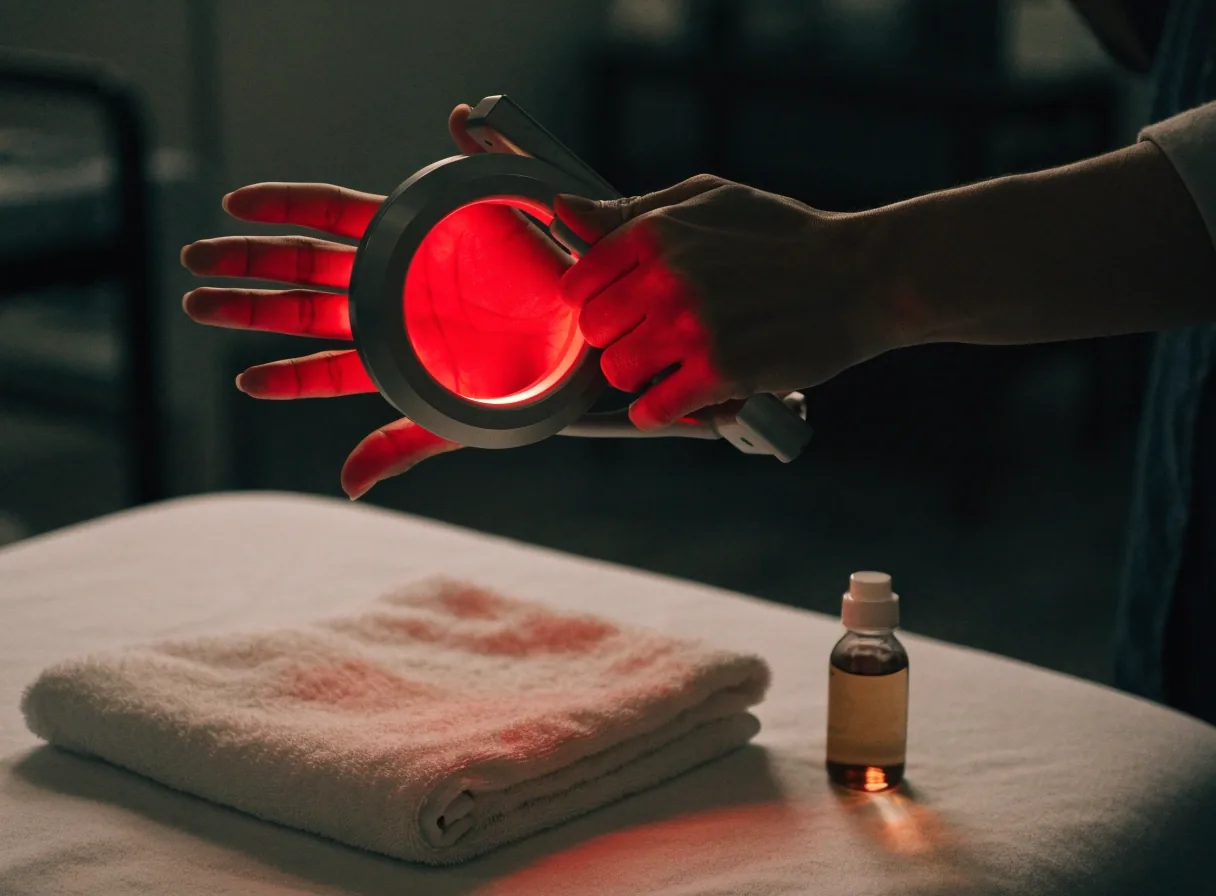
The CURAPOD
This device came into the table through published study material rather than a retail listing. The documentation names a joint zone and a session format, which is enough to record it in the same fields as everything else. When a study reports short-term pain reduction, that is logged as a study finding and attributed to the study, not repeated as a product promise.
Entered through stated clearance and a defined use case
The dpl Clinical XL Pain Relief
Recorded because the seller states a clearance and describes a specific treatment area. Both claims are noted as the brand's own, with the stated use case written out in full rather than summarized into a slogan.
Entered through a retail product page and a defined form factor
TheraBody SmartGoggles and the handheld group
Handheld and wearable units make the table when the seller publishes wavelengths, a treatment area and a session type. Where a listing shows only lifestyle photography and a price, we hold the device back until something checkable appears.
Excluded on purpose: devices with no stated wavelengths, no treatment area and no clearance or study anywhere we can point to. An entry built on marketing copy alone would just repeat the problem this site exists to solve.
What we compare, and why those fields
Every device is recorded with the same five fields. We chose them because they answer the questions buyers actually ask, and because they expose gaps. A device with no published wavelengths or clearance status looks different in a full row.
Form factor
Handheld wand, wearable wrap, belt, or panel. This is the first thing that decides whether a device fits how you actually live.
Wavelength type
Near-infrared, red, or a mix. Recorded as the seller states it, so you can compare published figures rather than marketing adjectives.
Intended use
What the manufacturer says the device is for. Written out in full, including the wording that makes a claim narrow rather than broad.
Treatment area
Knee, shoulder, lower back, or full-body coverage. This is where a handheld and a panel stop being interchangeable.
Regulatory status
Clearance on record, registered as a general wellness product, or nothing stated at all. The third option is the one buyers rarely see before purchase.
How we handle claims
Brand claims are attributed to the brand, not repeated as fact. The distinction is the whole point of the site, so we keep it visible in every entry instead of flattening it into a single voice.
When Lumaflex markets its devices around inflammation and joint pain, that is recorded as product messaging, in the seller's own terms. When a study reports short-term pain reduction for the CURAPOD, that is recorded as a study finding, with the wording kept narrow. Same page, two labels, two different levels of backing.
We also record what is missing. If a product page claims "clinical-grade" light without naming a wavelength, a dose or a clearance, the entry shows an empty field where a figure would normally sit. Readers can then decide whether the rest of the listing is worth their time.
Nothing on this site is a treatment recommendation. If you are choosing between therapy options for a specific joint, that conversation belongs with a clinician who can examine you, not with a comparison table.
Recorded as product messaging
A brand's own statement about inflammation, joint pain, recovery or performance, kept in the brand's words and attributed to the brand.
Recorded as a study finding
A result from published research, with its scope kept as narrow as the study stated it. Short-term is written as short-term.
Recorded as unstated
A field the seller never published. Left blank on purpose, because the blank is what a buyer needs to see.
What we don't do
A comparison site earns trust by what it refuses to add. These limits are not modesty. They keep the table honest and keep us out of the sales conversation entirely.
We don't sell devices
There is no shop, no affiliate checkout and no order button anywhere on this site. If you decide to buy, you buy from the seller, on the seller's terms.
We don't give medical advice
We describe what a device is and what its seller claims. We do not tell you what to use on your knee, your shoulder or your back, and we never claim a device cures anything.
We don't rank or award
No numbered lists, no badges, no device of the year. The table is ordered by field, so you can sort it against your own treatment area instead of ours.
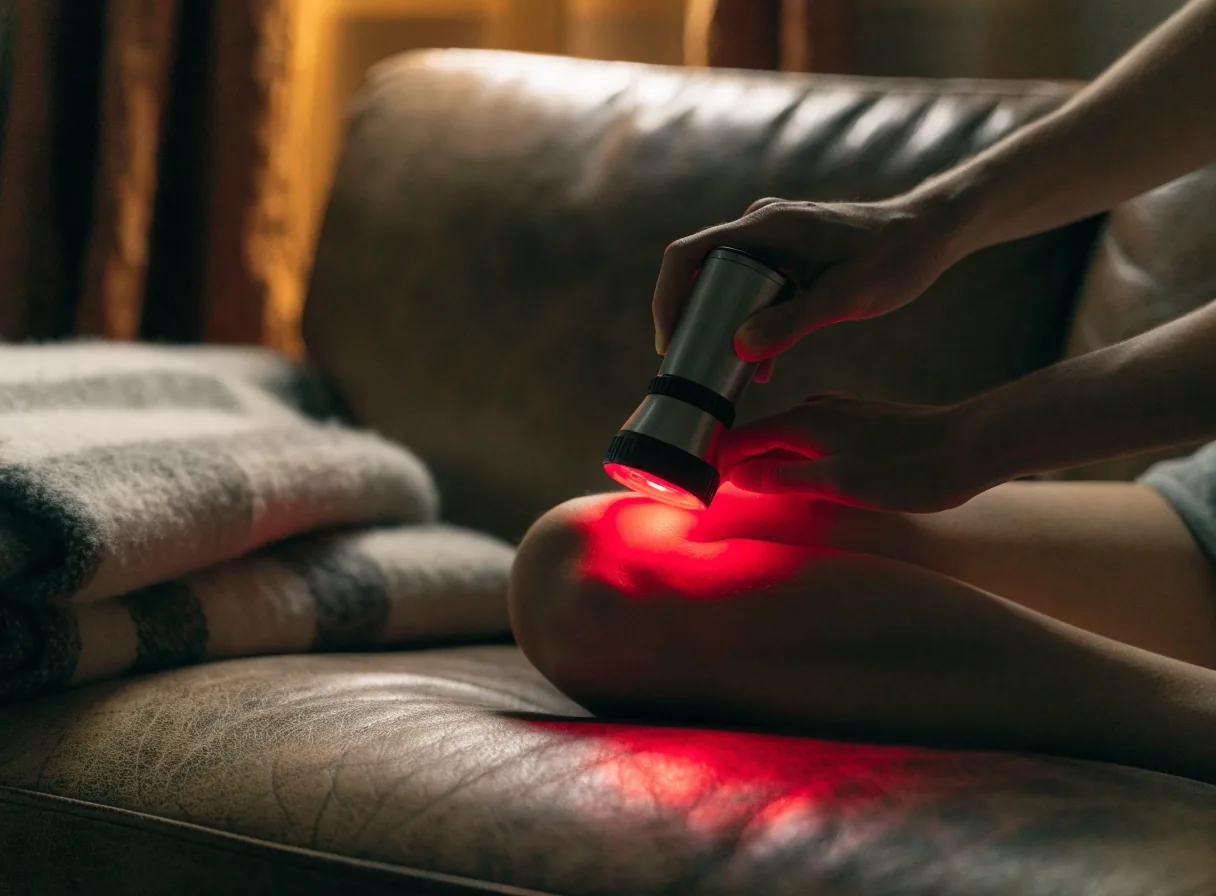
The recheck pass is unglamorous work: open the seller's page, compare it against the recorded field, and correct the row if anything moved.
Keeping information accurate
Specs change and product lines get revised. A wavelength figure gets corrected, a clearance status shifts, a model is discontinued and quietly replaced by a similar-looking one.
When we spot one of those changes, we update the entry or mark it so the difference is visible. Entries are dated by the last time we checked them against the seller's own material, which is why a row you read today may differ from a screenshot someone shared a year ago.
We do not claim the table is complete. New devices appear, old ones vanish, and some sellers change their wording without changing the product. What we can do is keep the recorded fields aligned with the current listing and say so plainly when we cannot.
If you find something wrong, tell us through the contact page and we will check it against the seller's current material. Corrections from readers are one of the main ways an outdated row gets caught, especially for devices sold in more than one country under slightly different names.
Who this site is for
It is for people comparing a handheld device against a panel for one specific joint, and for anyone who has been burned by vague "clinical-grade" language on a product page.
It is also for Croatian-speaking and English-speaking shoppers who want the same information in either language, without a sales pitch attached. Two readers, two languages, one table with the same fields filled in the same way.
If you already know which joint you are treating, the comparison table is the fastest route. If you are still deciding between a wand and a panel, the form-factor pages explain where each one fits. If you are starting from zero, the buying guide walks through the fields in order and explains what a missing value means.
How to use the site
Four routes, depending on how far along you are. Nothing here requires an account or a form.
You know your treatment area
Start with the comparison table
Filter by joint zone and read the same five fields across every device side by side.
Open the comparison tableYou want a device you can hold
Read the handheld page
Wands, wearables and small units, compared by treatment area and session type.
See handheld devicesYou want wider coverage
Read the panel and lamp page
Panels and lamp-style units for whole-back or multiple-joint sessions at home.
See panel and lamp devicesYou are starting from zero
Use the buying guide
The five fields explained in plain terms, plus what a blank value usually means.
Read the buying guideQuestions readers ask us
The same handful of questions come back often enough to answer here rather than one email at a time.
Do you accept payment or sponsorship for a place in the table?
No. Devices enter through documentation: stated specs, a study, or a defined use case with a clearance on record. There is no paid placement and no checkout on this site, which is also why you will not find a shop link next to a device name.
Why does a device show up with empty fields?
Because the seller never published that value. An empty wavelength, treatment area or clearance field is a finding, not a gap in our work. It shows you exactly what a buyer cannot check before spending money on the device.
Can you tell me which device will help my knee?
We cannot, and we will not pretend otherwise. We describe what a device is and what its seller states. Any decision about treatment for a specific joint belongs with a clinician who can examine you, and we say so on the entries as well as here.
How often are entries checked?
We recheck entries against the seller's current material when a change is reported, when a product line is revised, or when a model is discontinued. Each entry reflects the last check, so a row can legitimately differ from a screenshot taken earlier.
Can I suggest a device for review?
Yes. Send the product page through the contact form and we will look for published wavelengths, a treatment area and a regulatory status. If none of those exist, we will tell you why the device stays out of the table rather than adding a row we cannot fill.
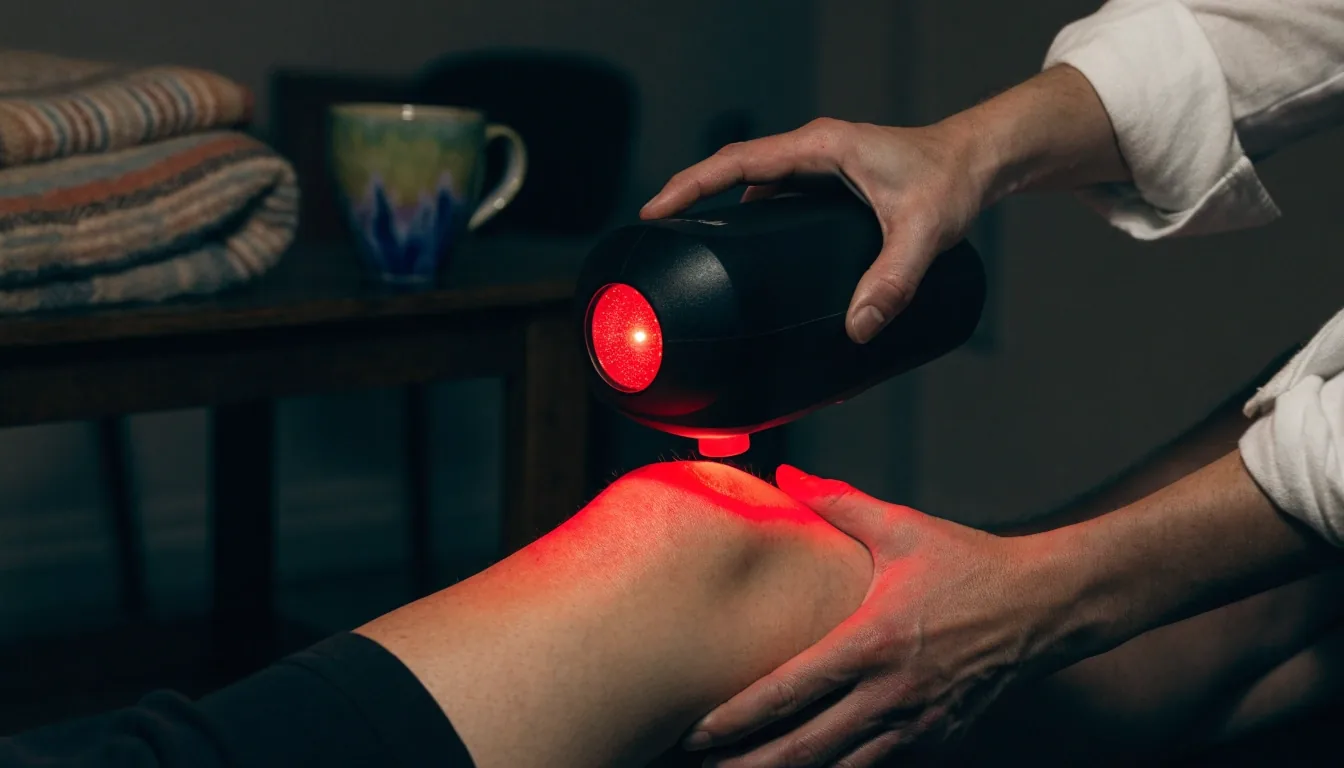
Start where your question starts
Pick the route that matches what you already know. Every page carries the same five fields, so nothing you read here has to be re-checked somewhere else.