
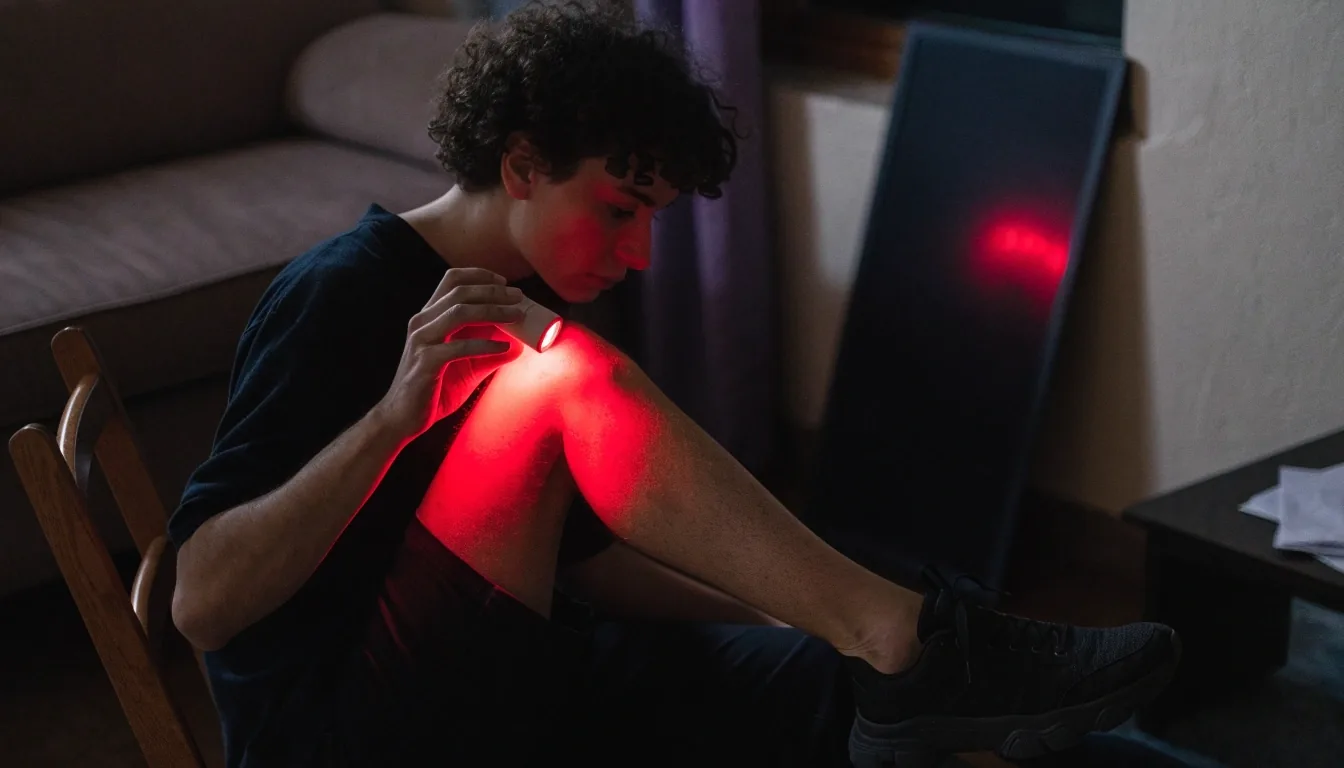
Compare joint therapy devices side by side
Handheld units, pain relief flashlights and LED panels in one set of fields. Five facts per device, nothing else.
This table is the core of JointLight Compare. It puts handheld devices, pain relief flashlights and LED panels into one set of fields so you can see what actually differs between them. We compare by form factor, wavelength type, intended use, treatment area and regulatory status.
No prices, no rankings, no affiliate spin. A cell is filled only when the seller publishes something we can read; when nothing is published, the row says so. That single habit exposes more than any score would, because a device with no stated wavelengths or clearance status stands out immediately next to a row where everything is answered.
The comparison table
Six devices across four form factors, read the same way. Scroll the table sideways on a phone — every column stays whole.
| Device | Form factor | Wavelength type | Intended use | Treatment area | Regulatory status |
|---|---|---|---|---|---|
| dpl Clinical XL | Handheld, close-range | Red and near-infrared | Everyday aches, exercise recovery, chronic conditions such as arthritis | Single reachable joints — knee, shoulder, elbow | FDA-cleared per the brand |
| Lumaflex Body Pro | Handheld / flexible wrap | Red and near-infrared light therapy | Targeted light therapy at home | Small and mid-size areas you can wrap or aim | Not stated on the product listing |
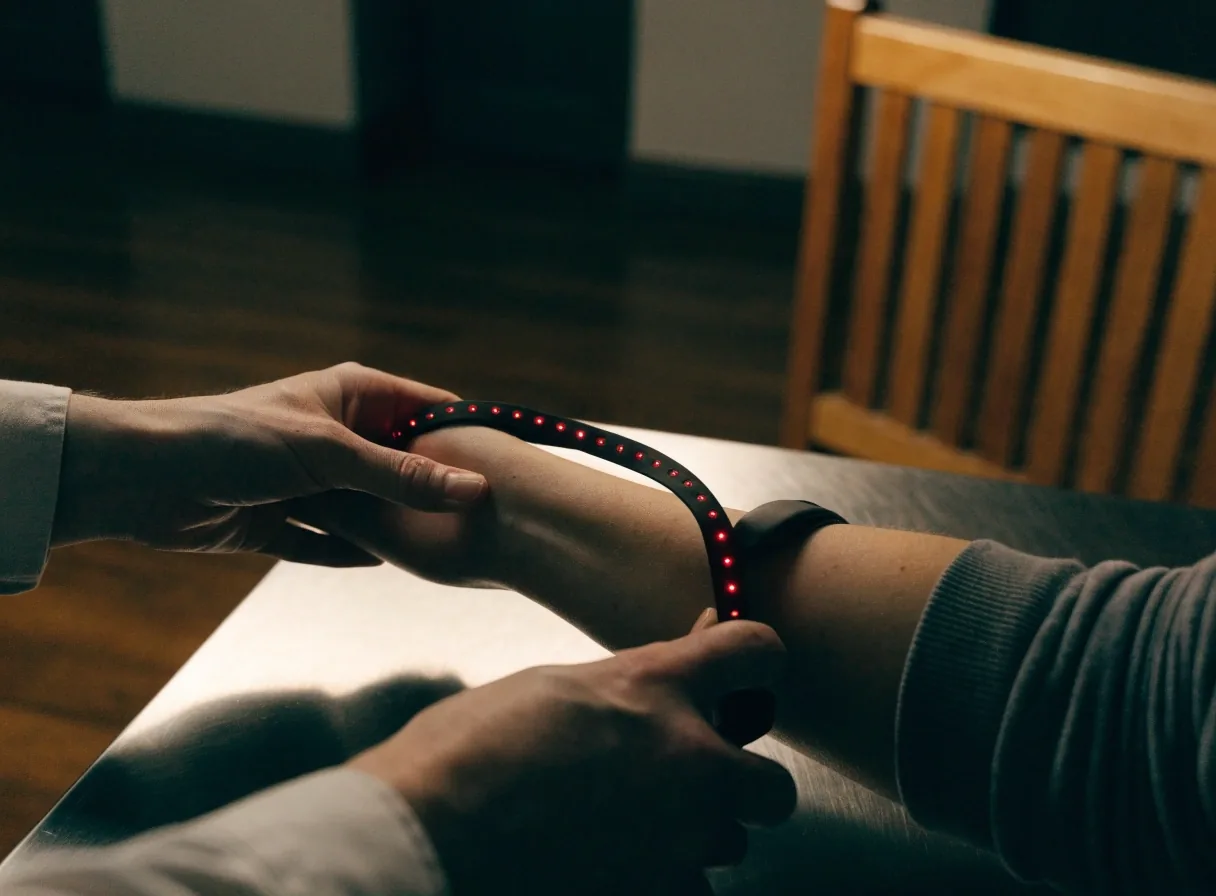
| CURAPOD | Wearable pod | Visible red and infrared light | Hands-free light therapy sessions | Wherever the pod can sit against the skin | Not stated as cleared |
| Joovv Solo 3.0 | Panel, fixed at home | Red and near-infrared | Whole-zone light exposure at a set distance | Back, hips, torso — large surfaces | Not stated as a cleared joint device |
| MitoPRO 1500 | Panel, larger surface | Red and near-infrared | Full-body panel sessions | Back, hips and legs at once | Not stated as a cleared joint device |
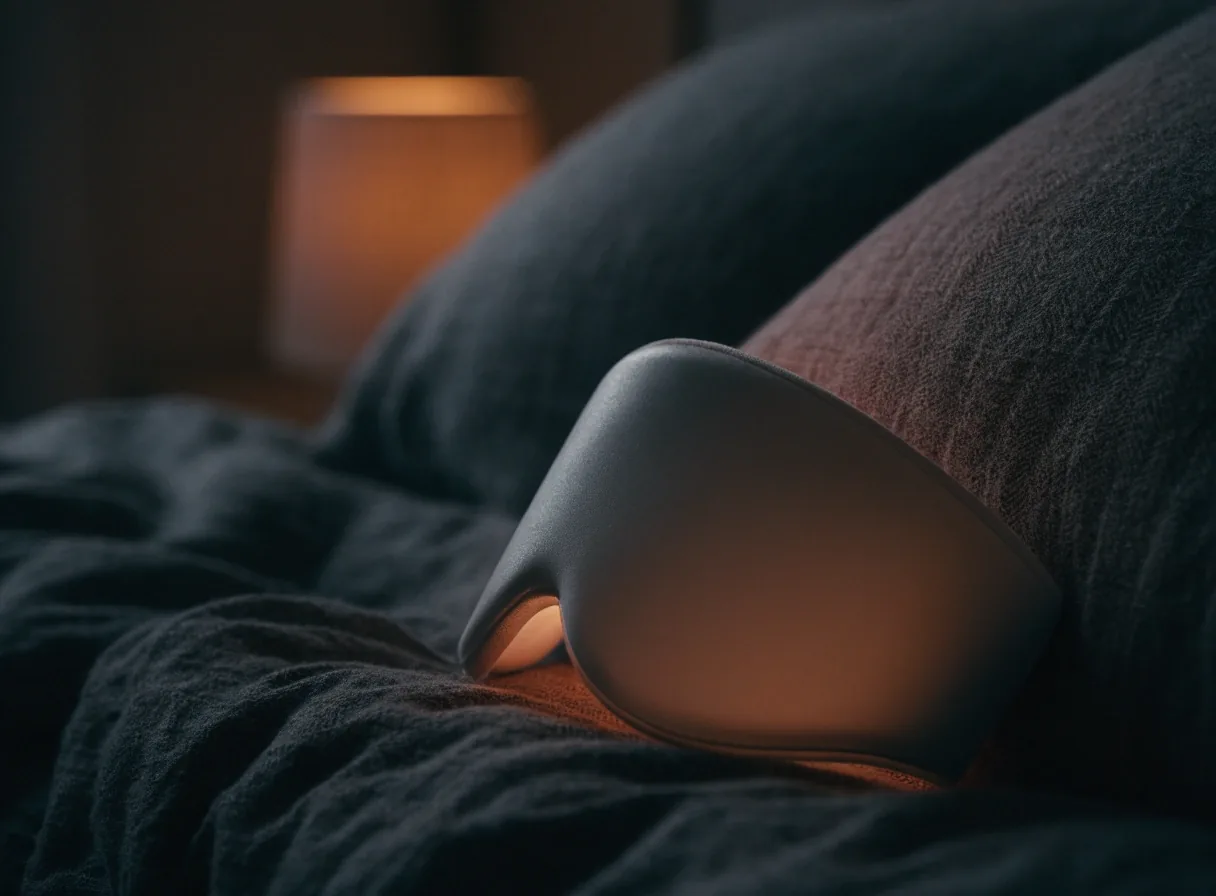
| TheraBody SmartGoggles | Wearable, over the eyes | Not a light-therapy device | Relaxation, not joint therapy | Not a joint zone — listed for context | Not a cleared joint device |
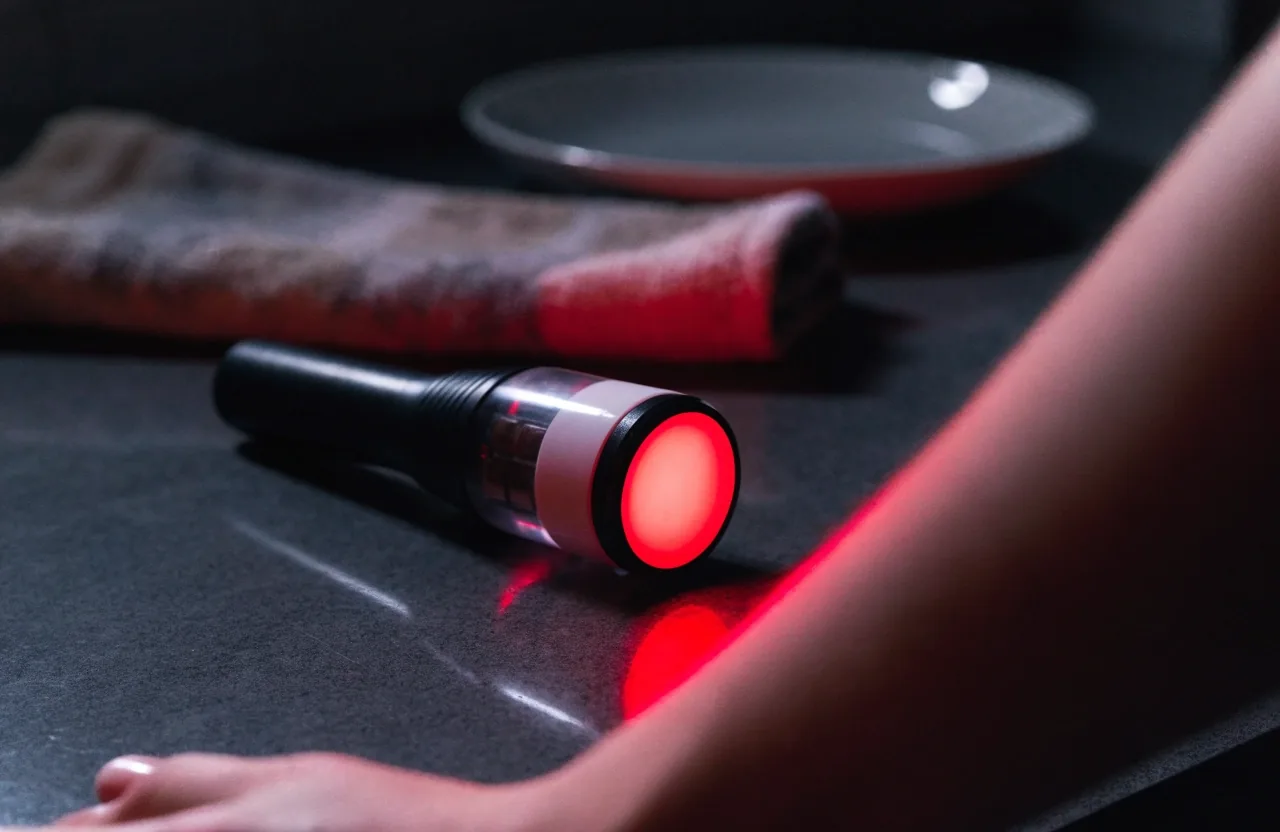
| Solawave 4-in-1 Radiant Renewal Skincare Wand | Handheld wand | Red light, skincare oriented | Skincare, not joints — appears in red-light roundups | Face and skin surface | Not stated as a cleared joint device |
Status wording mirrors what each seller publishes. Where a brand states nothing, we write nothing into that cell rather than guess a clearance pathway.
Form factor: handheld, wearable, or panel
This is the first real decision, and it is usually made before you read a single spec. Handheld units like the dpl Clinical XL are built for close-range, targeted use: you hold them against one spot for a session and put them away.
Panels such as the Joovv Solo 3.0 and the MitoPRO 1500 cover larger zones but need a fixed spot at home and a set distance from the body. Wearables sit in between — the CURAPOD straps on and runs hands-free. TheraBody SmartGoggles is a smart wearable in the same recovery shopping universe, though it targets relaxation rather than joint therapy directly, which is why its row reads differently from the rest.
Before you commit to a form factor, picture the room and the routine. A panel needs wall space and a place to stand; a handheld needs a drawer and a habit.
Wavelength type: red, near-infrared, or both
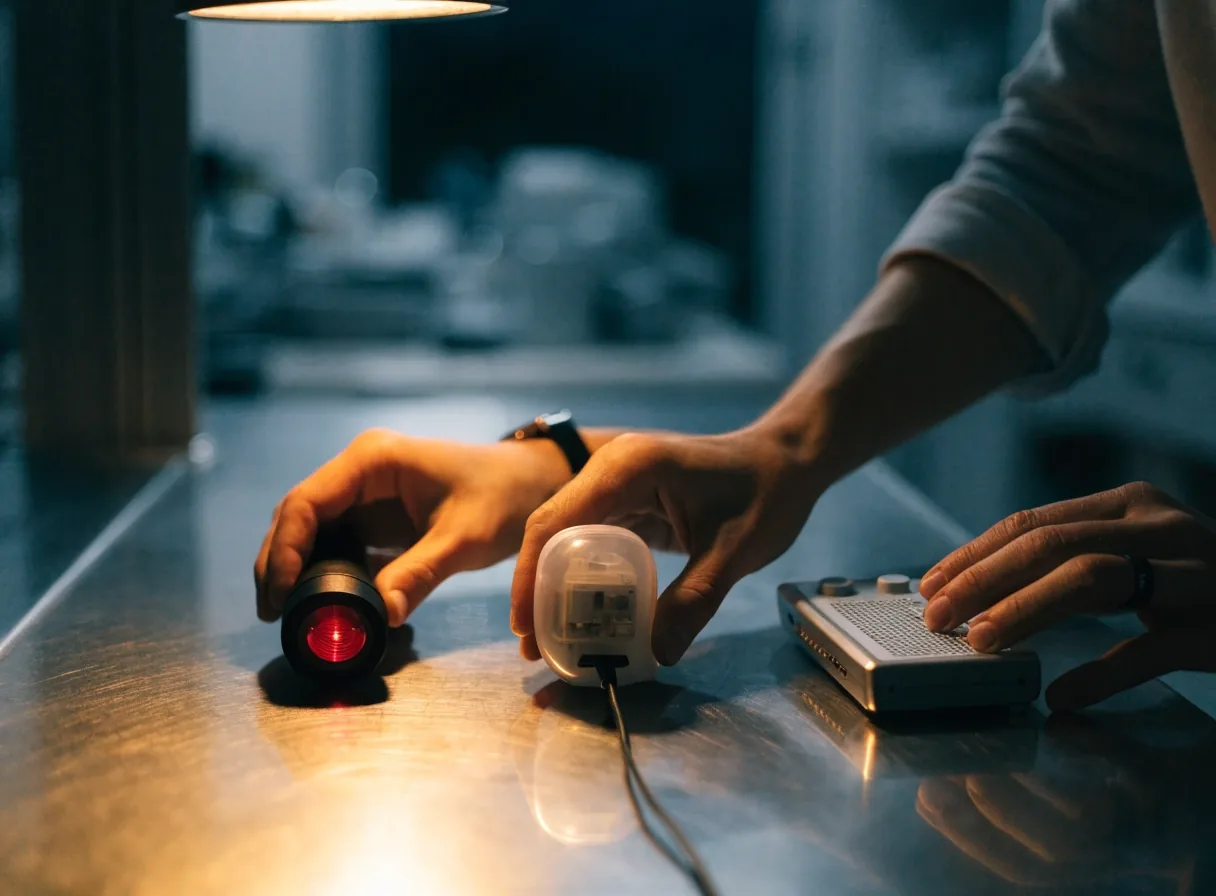
Red and near-infrared are the two wavelengths you will encounter most, and many current products combine them in a single unit. Some publish exact figures; others stay vague. When a brand lists nothing, that is the finding.
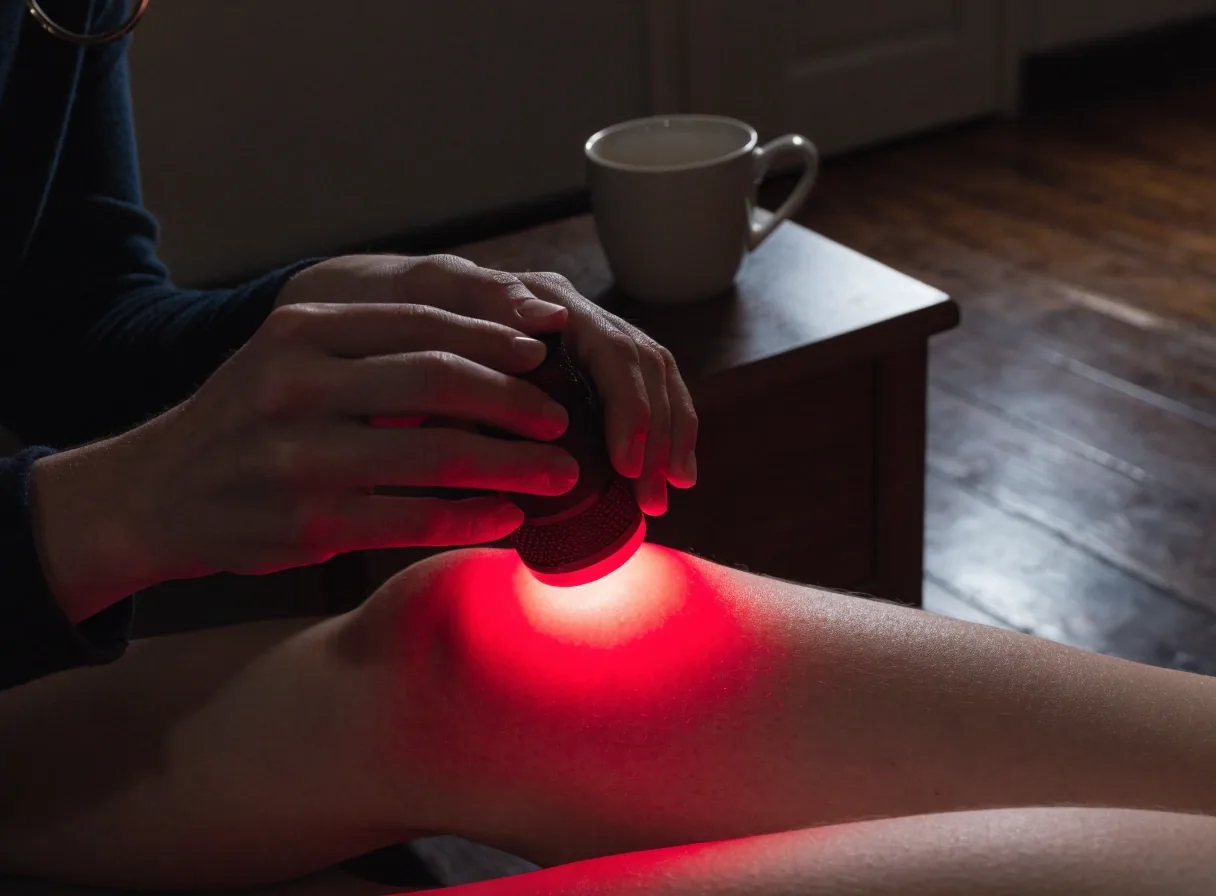
Lumaflex Body Pro
Built around red and near-infrared light therapy and sold as a flexible body unit rather than a fixed panel. The wavelengths are stated on the product listing, which is why this row carries a filled cell instead of a question mark. What the listing does not carry is a clearance statement for joint use, so that cell stays unstated.
CURAPOD
Uses visible red and infrared light in a wearable pod format. Two wavelength families, one hands-free housing.
Wavelengths stateddpl Clinical XL
A handheld unit that lists both red and near-infrared output, aimed at close-range sessions on a single joint.
Wavelengths stated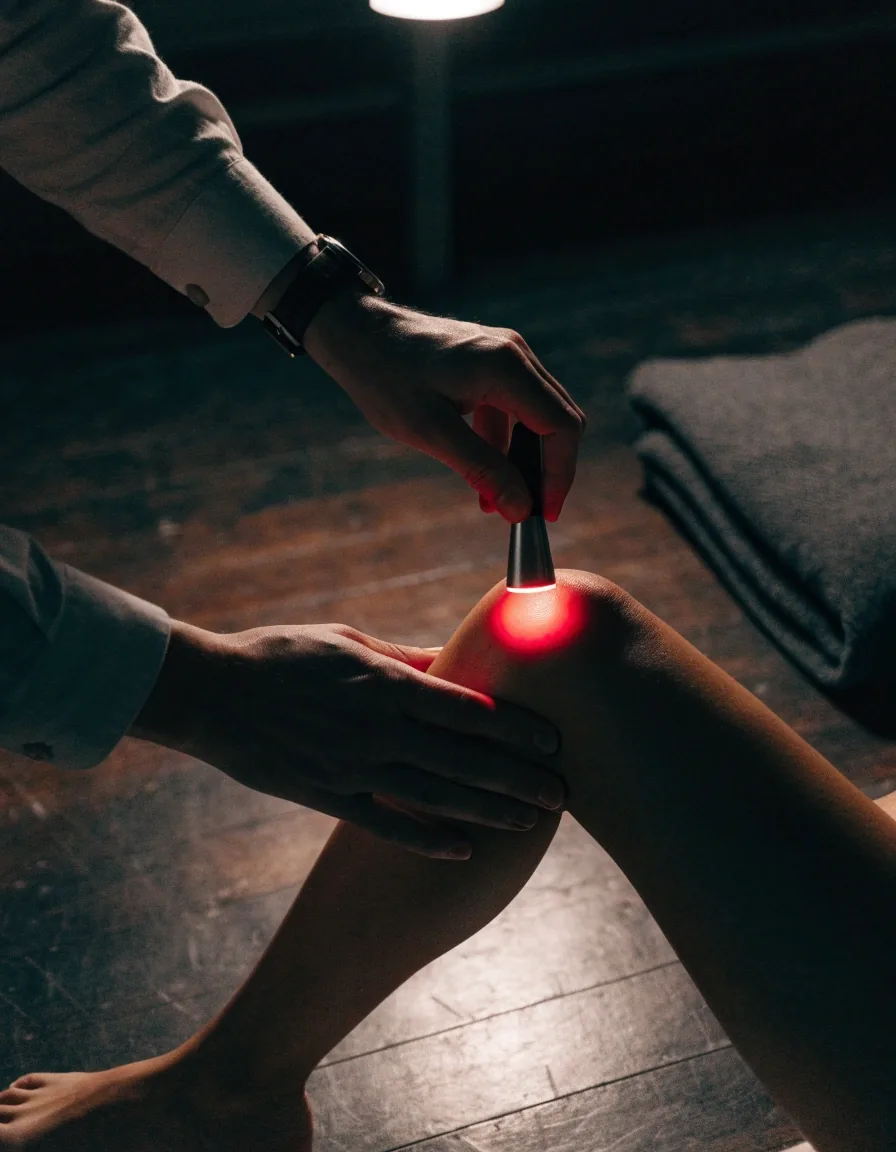
What each device is actually for
Intended use is where the category splits, and it decides more than the shape of the device does. Three columns, read across.
Intended use
The dpl Clinical XL is marketed for everyday aches, exercise recovery and chronic conditions such as arthritis. Same handheld shape family as a skincare wand, different job.
The Solawave 4-in-1 Radiant Renewal Skincare Wand is built for skincare and keeps turning up in red-light roundups. It is here so you can see the difference in one place.
Treatment area
Knees, shoulders and elbows suit handheld devices because you can aim them directly at the joint and hold them there.
Backs and hips favour panels, which is why panel systems are regularly distinguished from handheld wands and belts in consumer guides. If your area is a single reachable joint, a handheld is usually enough. If it is your whole lower back, a panel earns its space.
Regulatory status
FDA-cleared means a device went through a review pathway for a stated use. The dpl Clinical XL carries that claim from its brand.
Many consumer wands do not, and "clinical-grade" is not a substitute for a clearance statement. We record exactly what the seller states and mark anything unverified as unstated.
Reading the table for your own case
Start with the body area, not the brand. That immediately narrows the row count, because a device that cannot reach your shoulder is not a candidate no matter how well it reads elsewhere.
Then check whether wavelengths are published and whether a clearance pathway is stated. Finally, ask whether the form factor fits a routine you will actually keep. A compact unit you use daily usually does more for you than a panel you set up once and then walk past.
If two rows look identical on paper, the difference is usually in what the seller published, not in what the device does. Our reviews go deeper on the units where the published detail is thin.
Devices that sit outside the joint therapy lane
Some entries are here for context rather than direct comparison. Keeping them visible stops you from mistaking a crossover product for a joint device by silhouette alone.
What the table deliberately leaves out
No prices, no star ratings, no "top pick" badges. Prices move and ratings are easy to game; specs and clearance status do not. We also do not rank devices against each other, because a device that is wrong for your knee might be right for someone else's back. The table informs your decision without making it for you.
Where a seller updates a listing, the row follows the published wording at the time we checked. If you spot a claim that has changed, tell us and we will re-check it rather than leave a stale cell standing.
Questions about the table
Still unsure which row fits your case? Write to us and describe the joint and the room — that is usually enough to narrow it down.
Why does the table carry no prices?
Prices change constantly and rarely reflect what you actually get for a joint therapy device. Form factor, wavelength type, intended use, treatment area and regulatory status stay stable for months at a time, so they are the fields we keep. If you need a budget figure, check the seller directly.
What does "unstated" mean in the regulatory column?
It means we could not find a clearance statement for that use on the seller's own listing. It is not a judgment about the device, and it is not an accusation — it is simply a blank where a claim was missing. If the seller publishes one later, the row changes.
Can I compare a handheld against a panel directly?
Yes, and the table is built so you can. The five fields are the same for every row, so a handheld and a panel can be read side by side even though they solve different problems. The treatment area column is usually the one that decides between them.
Where does the row information come from?
From what each seller publishes on their own product listing — form factor, wavelengths, intended use and any regulatory claim they make. We do not fill gaps with estimates, and we do not repeat a claim in a row where the seller never made it.
Take the next step with the row that fits
Narrow it to a form factor, then read what we found on the devices in that group. If your case sits between two rows, ask us and describe the joint — that is usually the fastest way to settle it.
Five fields, one document. Form factor · wavelength type · intended use · treatment area · regulatory status.
Read the buying guide